
Inca Trail in May: Weather, Difficulty & My Real Experience (2026 Guide)

- Is May a Good Time to Hike the Inca Trail?
- Weather on the Inca Trail in May (What It’s Really Like)
- How Difficult Is the Inca Trail in May? (Honestly)
- Altitude Sickness: What Happened to Me (And What You Should Do)
- Do You Need to Train for the Inca Trail?
- Best Tour Companies for the Inca Trail (My Honest Opinion)
- Solo Travel on the Inca Trail: What to Expect
- What to Pack for the Inca Trail in May
- Mistakes to Avoid (From My Experience)
- Is It Worth It? Final Verdict
- ❓ FAQs
Is May a Good Time to Hike the Inca Trail?
Dry Season Begins (But Not Fully)
May is one of the best months to hike the Inca Trail because it marks the start of the dry season in Peru. Compared to March or April, rainfall drops significantly, but you can still get occasional showers.
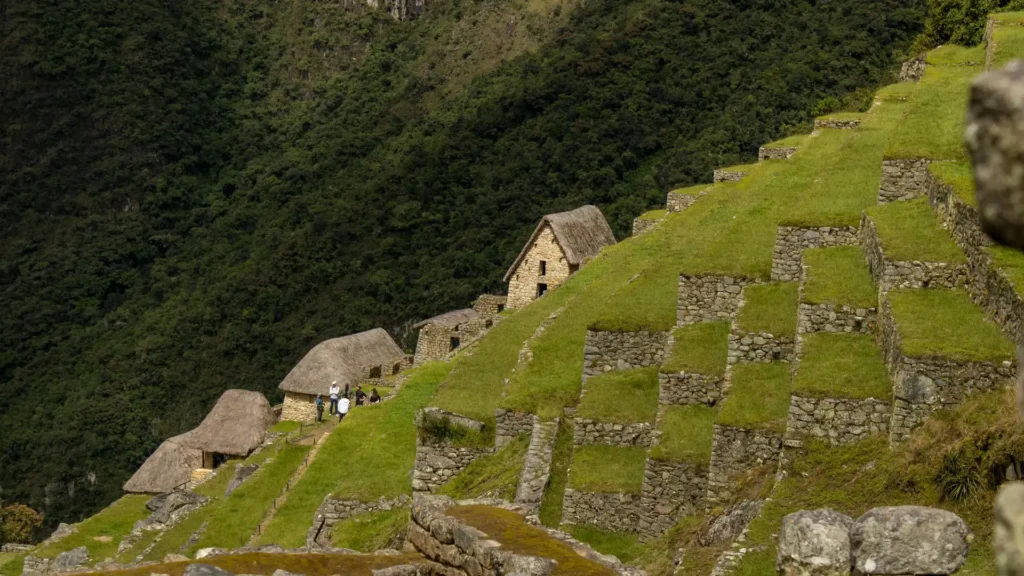
In my case, I hiked the trail in May and the weather felt almost perfect — mostly dry, with clear skies and comfortable temperatures for trekking.
Pros and Cons of Hiking in May
| Pros | Cons |
|---|---|
| Start of dry season | Some occasional rain |
| Lush green landscapes | Increasing number of hikers |
| Ideal trekking temperatures | Nights can be cold |
Final Verdict
If you want a balance between good weather and fewer crowds than peak season (June–August), May is a sweet spot.
Weather on the Inca Trail in May (What It’s Really Like)
Daytime Conditions
During the day, temperatures are usually mild and ideal for hiking. You won’t feel extreme heat, which makes long trekking days much more manageable.
From my experience, I never felt uncomfortable due to heat — actually, the weather helped a lot with endurance.
Night Temperatures
Nights can get quite cold, especially at higher altitudes.
- Expect near-freezing temperatures at campsites
- A good sleeping bag is essential
Does It Rain in May?
Rain is still possible, but not frequent.
👉 I personally experienced mostly dry days, which made the trail much easier than expected.
How Difficult Is the Inca Trail in May? (Honestly)
The Reality vs Expectations
Before doing the trek, I was honestly a bit worried. I had only done light day hikes before and didn’t train at all.
👉 Surprisingly, the Inca Trail was completely manageable.
Key Challenge: Altitude, Not Fitness
The real difficulty isn’t fitness — it’s altitude.
- Steep climbs (especially Dead Woman’s Pass)
- Reduced oxygen levels
However, physically, I found it much easier than I expected.
Altitude Sickness: What Happened to Me (And What You Should Do)
My Experience with Diamox
I took Diamox preventively before the trek.
- Arrived directly from Lima to Cusco
- Had about 4 days to acclimatize
- Felt shortness of breath just walking around
At one point, I wasn’t sure if the symptoms were altitude or side effects from the medication.
👉 I stopped taking it one day before the trek — and felt completely fine afterward, even at the highest point.
A Real Warning (Important)
A colleague of mine had a completely different experience:
- She didn’t take medication
- Tried gradual acclimatization
- Got severe altitude sickness in Cusco
- Needed medical assistance and oxygen
- Couldn’t even start the trek
Key Takeaways
- Altitude affects everyone differently
- Prevention helps, but isn’t perfect
- Listen to your body
Do You Need to Train for the Inca Trail?
Honest Answer
👉 No — but it helps.
I didn’t train at all before the hike, and I still completed it without problems.
What Actually Matters
- Mental resilience
- Taking breaks when needed
- Proper pacing
That said, if you want to enjoy it more, some basic preparation would definitely help.
Best Tour Companies for the Inca Trail (My Honest Opinion)
Llama Path vs Alpaca Expeditions
When booking, I hesitated between these two companies.
Both are known for:
- Good organization
- Ethical treatment of porters
Why I Chose Llama Path
One key difference stood out:
- Some companies use porters to carry portable toilets (including waste)
- My guides explained this practice is unnecessary and questionable
👉 That made me feel more comfortable choosing Llama Path.
Final Thoughts
Both are solid options, but it’s worth considering how companies treat their porters, not just price or comfort.
Solo Travel on the Inca Trail: What to Expect
Is It Safe to Go Alone?
Yes — absolutely.
I traveled solo and joined a group that included:
- Families
- Couples
- Friends
- Other solo travelers
Everyone got along really well.
Accommodation Options
- Share a tent with someone of the same sex
- Pay a small extra fee for your own tent (what I did)
👉 Having my own tent made the experience much more comfortable.
What to Pack for the Inca Trail in May
Essentials
| Item | Why It Matters |
|---|---|
| Hiking poles | Save your knees on descents |
| Warm sleeping bag | Cold nights |
| Layers | Temperature changes |
| Rain jacket | Occasional rain |
| Good boots | Uneven terrain |
Pro Tip (From Experience)
👉 Definitely rent hiking poles — they make a huge difference, especially on downhill sections.
You can rent gear in Cusco, but I found that:
- Prices aren’t always cheaper
- Renting through your tour company can be easier
Mistakes to Avoid (From My Experience)
1. Upgrading the Train (Not Worth It)
I upgraded to the panoramic train on the way back.
👉 Honestly, it wasn’t worth it.
- Views were similar to the regular train
- Snacks and drinks were disappointing
- I ended up traveling alone while my group stayed together
2. Underestimating Altitude
Even walking in Cusco felt harder than expected at first.
👉 Give yourself time to acclimatize.
3. Not Renting Poles
If I hadn’t rented them, my knees would have suffered a lot more.
Is It Worth It? Final Verdict
My Honest Opinion
👉 Yes — 100% worth it.
Even without training, and despite some initial altitude concerns, the experience was incredible.
- Stunning scenery
- Great group atmosphere
- Strong sense of achievement
May turned out to be an excellent month to do it:
- Good weather
- Manageable crowds
- Beautiful landscapes
❓ FAQs
Is May a good time for the Inca Trail?
Yes — one of the best months due to the start of the dry season.
Is the Inca Trail crowded in May?
Moderately. Less than peak season, but not empty.
Do you need Diamox for the Inca Trail?
Not necessarily, but it can help. Everyone reacts differently.
How hard is the Inca Trail really?
Challenging due to altitude, but manageable for most people.