
Inca Trail in January: Is It Worth It? Weather, Tips & Real Experience

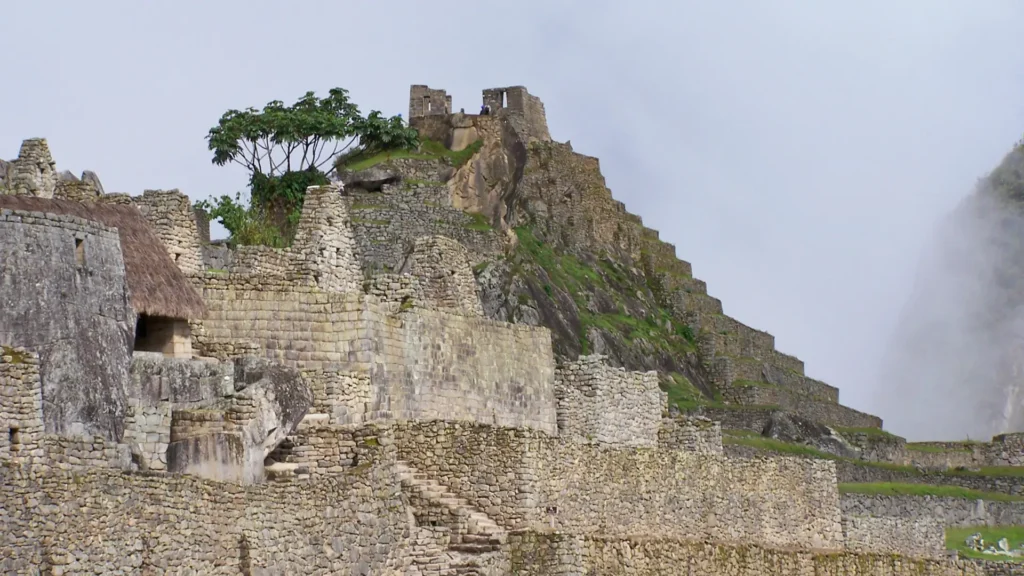
Hiking the Inca Trail in January is not the most popular choice, and that’s exactly why I chose it. While most travelers wait for the dry season, I wanted something different. What I found was a much more raw, emotional, and unforgettable experience.
But is it actually a good idea?
Let’s break it down.
- Is January a Good Time to Hike the Inca Trail?
- Weather on the Inca Trail in January (What to Expect)
- My Experience Hiking the Inca Trail in January
- Pros and Cons of Hiking the Inca Trail in January
- How Difficult Is the Inca Trail in Rainy Season?
- What to Pack for the Inca Trail in January
- Permits and Availability in January
- Final Verdict: Is It Worth It?
- FAQs About the Inca Trail in January
- Conclusión
Is January a Good Time to Hike the Inca Trail?
Short answer: yes—but only if you know what you’re getting into.
January is part of the rainy season in Peru, which means:
- Frequent rain showers
- Cloudy skies
- Fewer crowds
When I decided to go during this time, I wasn’t looking for perfect weather—I wanted a unique perspective of the trail. And honestly, that decision completely changed how I experienced Machu Picchu.
If you're expecting clear skies every day, this is not your month. But if you’re open to adventure, it can be incredible.
Weather on the Inca Trail in January (What to Expect)
Rain, clouds, and visibility
Rain is part of the experience. On my third day, it rained heavily at the Ch’aqui Qocha campsite, leaving everything damp and slippery.
At times, entire archaeological sites were covered in clouds. When I passed through Phuyupatamarca, visibility was almost zero—but that actually made it feel more mystical.
Temperature and humidity
Despite the rain, temperatures are relatively mild:
- Day: 15–20°C (59–68°F)
- Night: can drop close to 5°C (41°F)
Humidity is high, and once you're wet, staying dry is difficult. That’s something many guides don’t emphasize enough.
My Experience Hiking the Inca Trail in January
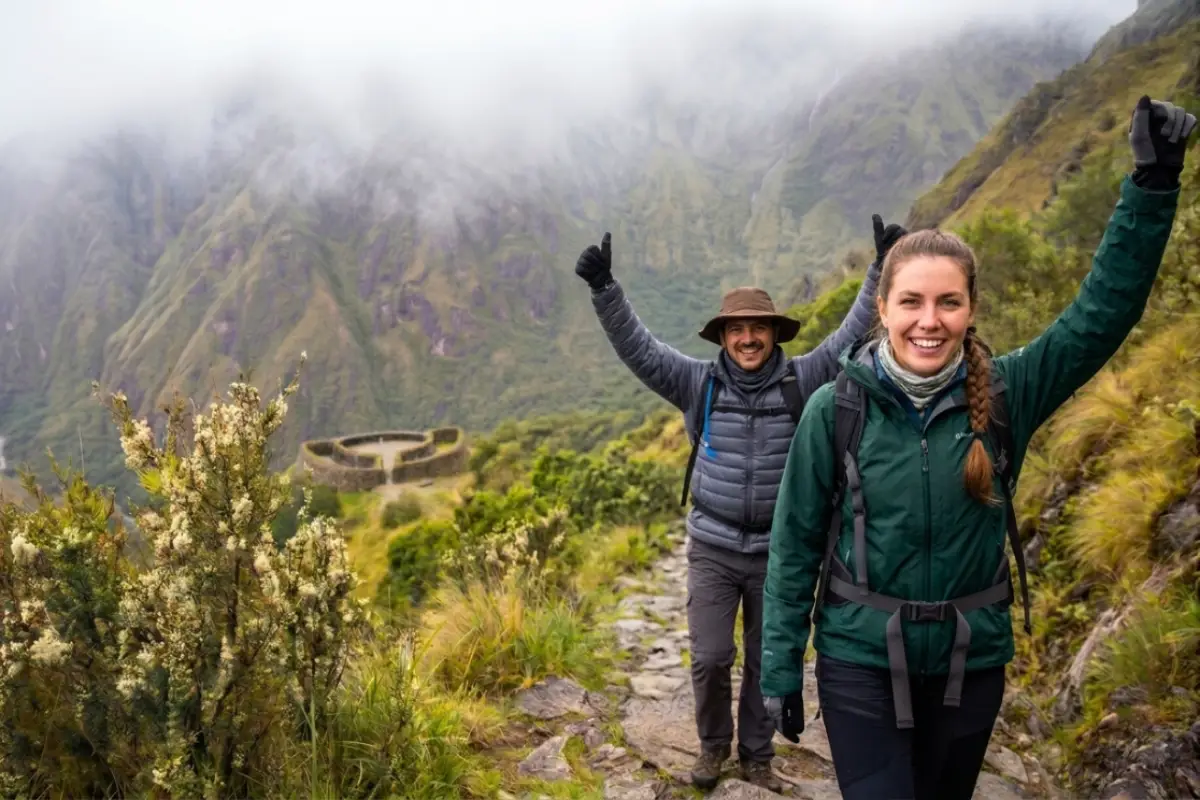
Day 1: First impressions and Llactapata views
The journey started with breakfast in Ollantaytambo before heading to Km 82 (Piskacucho), the official starting point.
I walked about 6 hours—roughly 25,000 steps—until reaching Ayapata camp. Along the way, I saw the ruins of Llactapata from the Willka Raqay viewpoint, and that moment alone made the first day worth it.
Day 2: The challenge of Dead Woman’s Pass
This was, without a doubt, the hardest day.
From Llullucha Pampa, surrounded by massive clouds, we climbed toward Dead Woman’s Pass at 4,250 meters. The altitude hit hard.
I remember struggling to breathe, but the views of valleys emerging through the mist made it unforgettable. It didn’t feel like a typical hike—it felt like walking through another world.
We also explored Runkurakay and Sayacmarca, both incredibly well-preserved and full of history.
Day 3: Rain, exhaustion, and Wiñay Wayna
This was the turning point.
Heavy rain hit our camp, everything was soaked, and fatigue started to kick in. At one point, I was so exhausted that I actually fell asleep mid-journey and ended up walking alone for a while after separating from my group.
By the time I reached Wiñay Wayna, I was drained—but amazed. The agricultural terraces, once used for crops like potatoes and quinoa, were stunning even under the rain.
Day 4: Reaching Machu Picchu through the clouds
The final day started at 3 AM, waiting in the cold for the checkpoint to open.
The last stretch to Inti Punku (Sun Gate) was brutal. I was out of breath and completely exhausted—and at the end, I even started running.
But then it happened.
Machu Picchu appeared through the clouds.
I had visited it before under clear skies—but this time was different. Seeing it emerge from the mist made it feel more alive, more mysterious.
Honestly, it was better.
Pros and Cons of Hiking the Inca Trail in January
| Pros | Cons |
|---|---|
| Fewer tourists | Heavy rain at times |
| Greener landscapes | Slippery trails |
| Unique cloud views | Limited visibility in some sections |
| Easier permits | Wet Gear management becomes harder |
How Difficult Is the Inca Trail in Rainy Season?
The Inca Trail is already challenging—but in January, it becomes more demanding.
Rain adds:
- Slippery terrain
- Mental fatigue
- Extra weight from wet gear
From my experience, the hardest part wasn’t just the altitude—it was the combination of exhaustion, humidity, and constant moisture.
What to Pack for the Inca Trail in January
Essentials:
- Waterproof jacket (high quality)
- Poncho
- Waterproof backpack cover
- Extra socks (trust me, you’ll need them)
- Quick-dry clothing
- Good hiking boots with grip
One thing I underestimated was how hard it is to stay dry. Once you're wet, you stay wet.
Permits and Availability in January
January is less competitive than peak season, so:
- Permits are easier to get
- You don’t need to book as far in advance
However, keep in mind:
👉 The Inca Trail closes in February for maintenance
Final Verdict: Is It Worth It?
Yes—but not for everyone.
If you want perfect weather, go during the dry season.
But if you're looking for something more intense, more personal, and honestly more memorable—January might be the best decision you make.
In my case, it completely changed how I experienced Machu Picchu.
FAQs About the Inca Trail in January
Is the Inca Trail open in January?
Yes, it’s open. It only closes in February.
Does it rain every day?
Not constantly, but you should expect rain frequently.
Is it dangerous?
Not inherently—but it is more challenging due to conditions.
Is it worth it despite the rain?
If you value experience over comfort, absolutely.
Conclusión
Hiking the Inca Trail in January is not about perfect conditions—it’s about embracing unpredictability.
And sometimes, that’s exactly what makes it unforgettable.