
Inca Trail in March: Weather, Difficulty, Risks & Real Day-by-Day Experience

- Is March a Good Time for the Inca Trail? (Quick Answer)
- Inca Trail Weather in March: What Nobody Tells You
- My Real Experience Hiking the Inca Trail in March (Day by Day)
- How Difficult is the Inca Trail in March? (Real Conditions vs Expectations)
- Is the Inca Trail Dangerous in March?
- Pros and Cons of Hiking the Inca Trail in March
- What to Pack for the Inca Trail in March (Rainy Season Checklist)
- Tips for Hiking the Inca Trail in March (From Real Experience)
- Inca Trail in March vs Other Months
- Final Verdict: Is the Inca Trail in March Worth It?
- FAQs About the Inca Trail in March
Is March a Good Time for the Inca Trail? (Quick Answer)
Yes, but only if you know what you're getting into.
March sits right in the rainy season in Peru. That means fewer crowds and incredibly green landscapes, but also unpredictable weather, muddy trails, and limited visibility at times.
If you're prepared for rain and flexible with expectations, it can be an unforgettable experience. If you're expecting clear skies every day, March might challenge you.
Inca Trail Weather in March: What Nobody Tells You
Most guides will simply say: “It rains a lot.”
That’s true — but it’s not the full story.
Does it rain every day in March?
Not exactly.
In my case, the weather changed constantly. One morning started with steady rain, and just a few hours later, the sky opened up into bright sunshine. This pattern repeated itself throughout the trek.
👉 The key insight: rain is frequent, but not permanent.
How unpredictable is the weather really?
Very.
You can experience:
- Rain in the morning
- Sun at midday
- Fog in the afternoon
All in the same day.
This unpredictability is what makes March both challenging and beautiful.
Fog, sun and sudden changes
Fog is a big factor.
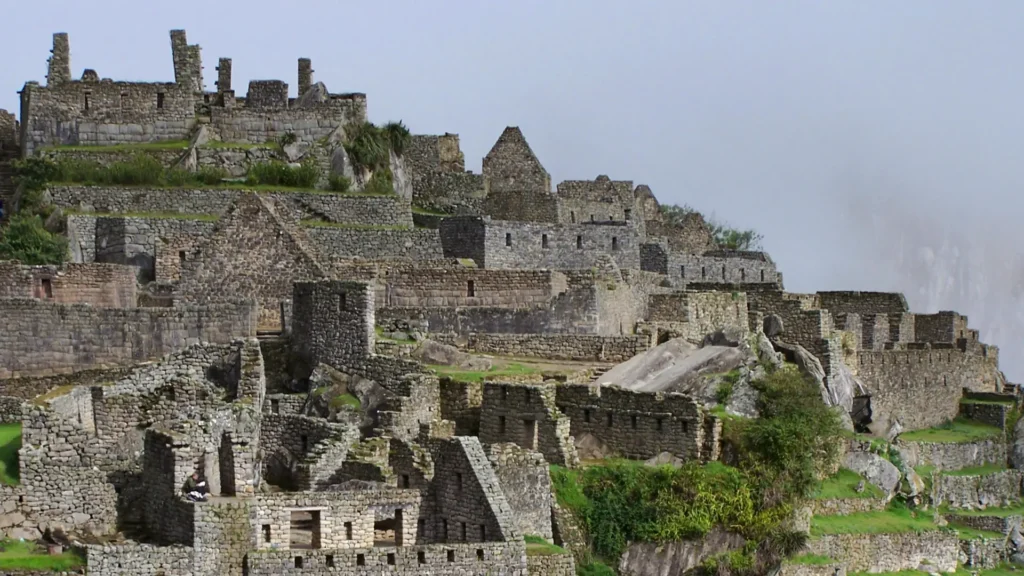
On some sections, visibility dropped significantly, especially at higher altitudes. But just as quickly, it would clear — revealing stunning views of the Andes.
That contrast is something you don’t get in the dry season.
My Real Experience Hiking the Inca Trail in March (Day by Day)
Day 1: Rain, Sun and the “Peruvian Flat” Start
The journey began early, around 6:00 a.m., heading toward Kilometer 82.
The morning started rainy, but as we walked along the Urubamba River and the railway line, the weather shifted. The clouds opened, and suddenly we were hiking under a bright sun.
Locals call this section the “Peruvian flat” — which really means a mix of gentle ups and downs. It’s a manageable start, but still enough to remind you you're in the Andes.
We covered about 6.5 miles before reaching our first campsite near Chamana, surrounded by Inca ruins.
Day 2: The Relentless Climb Into the Cloud Forest
This is where things get serious.
We climbed nearly 4,000 feet in elevation, moving into a lush cloud forest environment filled with stone steps and mountain streams.
It’s also the day you truly appreciate the porters.
Seeing them carry heavy loads up steep, slippery terrain makes you realize they are the real heroes of the Inca Trail. Their strength and resilience add a whole new level of respect to the experience.
We ended the day at Llulluchapampa, already feeling the effects of altitude.
Day 3: The Hardest Day — Altitude, Rain and Slippery Stones
This was, without a doubt, the toughest day.
We crossed Dead Woman’s Pass (13,800 feet), followed by another high pass at Runkurakay. The altitude alone makes this difficult — but in March, the conditions amplify everything.
It rained consistently.
The stone steps became extremely slippery, and the fog reduced visibility. Every step required focus.
This is the kind of detail most guides don’t emphasize: the Inca Trail in March is not just physically demanding — it’s mentally demanding too.
We reached Phuyupatamarca exhausted, but with a strong sense of accomplishment.
Day 4: Fog, Sun and the First View of Machu Picchu
After surviving the previous day (including sections nicknamed “Gringo Killers”), the final stretch felt more forgiving.
The morning started with dense fog again, limiting visibility. But after breakfast, the weather shifted — just like before.
As we approached Intipunku (the Sun Gate), the clouds began to lift.
And then it happened.
The first view of Machu Picchu appeared through the clearing mist.
After four days of effort, rain, and uncertainty, that moment felt incredibly rewarding.
How Difficult is the Inca Trail in March? (Real Conditions vs Expectations)
Let’s be clear: it’s harder than in the dry season.
What makes it more difficult?
- Wet and slippery stone steps
- High altitude (especially above 4,000 meters)
- Constant weather changes
- Mental fatigue from uncertainty
Even experienced hikers will feel the difference.
Is the Inca Trail Dangerous in March?
Not inherently — but conditions increase risk.
Real risks include:
- Slippery paths
- Reduced visibility due to fog
- Mud and unstable terrain
That said, with proper gear and awareness, it’s manageable.
Pros and Cons of Hiking the Inca Trail in March
Pros
- Fewer crowds
- Lush, green landscapes
- Unique atmospheric views
Cons
- Frequent rain
- Slippery trails
- Occasional limited visibility
What to Pack for the Inca Trail in March (Rainy Season Checklist)
Packing right makes a huge difference.
Essentials:
- High-quality rain jacket
- Waterproof backpack cover
- Proper hiking boots with grip
- Extra dry clothes
Common mistake:
Underestimating how wet everything can get.
Tips for Hiking the Inca Trail in March (From Real Experience)
- Accept the rain — don’t fight it mentally
- Be patient with visibility (views come and go)
- Walk carefully on stone steps
- Protect your gear at all times
One thing I learned: flexibility is more important than perfect conditions.
Inca Trail in March vs Other Months
March vs April
- March: wetter, fewer people
- April: slightly drier, more stable weather
March vs Dry Season (May–September)
- Dry season: better visibility, more crowds
- March: more raw, authentic, and unpredictable
Final Verdict: Is the Inca Trail in March Worth It?
Yes — if you’re prepared.
March offers a more intense, less predictable version of the Inca Trail. It’s not the easiest time to go, but it can be one of the most memorable.
If you embrace the rain, adapt to the conditions, and stay mentally strong, the reward is absolutely worth it.
FAQs About the Inca Trail in March
Is March too rainy for the Inca Trail?
No, but you should expect frequent rain and plan accordingly.
Can you see Machu Picchu clearly?
Yes: but not always. Visibility can change quickly.
Is it more dangerous?
Not significantly, but conditions require extra caution.
Are permits easier to get?
Yes, generally easier than peak dry season.