
Inca Trail to Machu Picchu: The Complete Guide to Planning, Booking and Hiking the Classic Trek

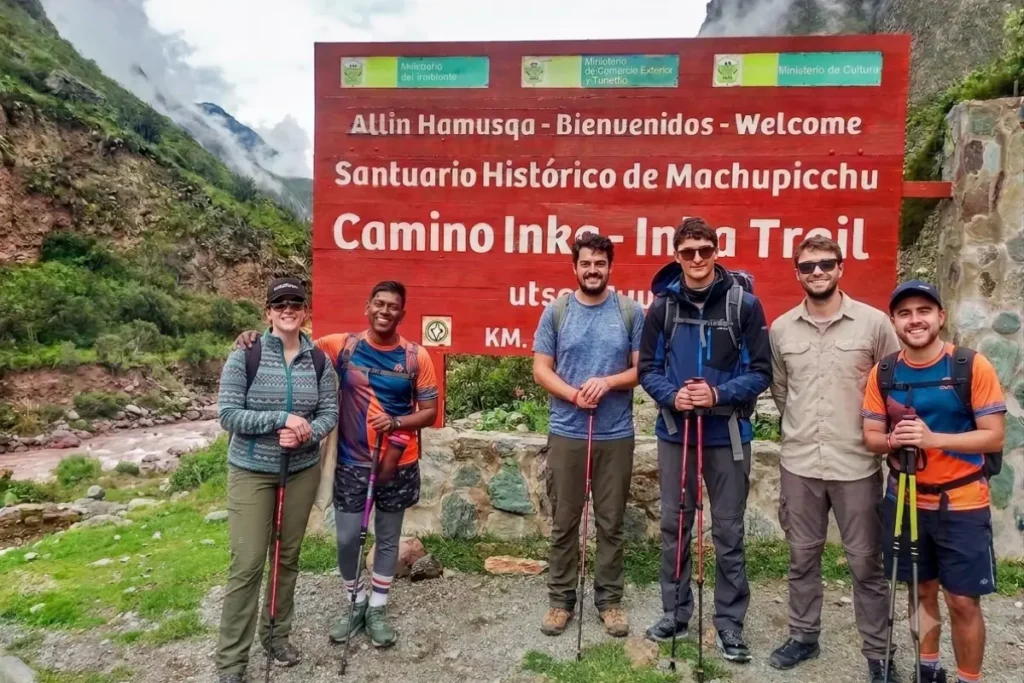
For years, I had one goal in mind: I didn't just want to visit Machu Picchu—I wanted to earn my way there on foot.
Like many first-time travelers, I assumed the logistics would be simple. I imagined booking a flight to Cusco, packing a backpack, taking the train, getting off somewhere along the tracks, and following the ancient path until I reached the Lost City of the Incas.
I couldn't have been more wrong.
As soon as I started researching, I discovered that hiking the Inca Trail isn't something you can organize independently. Unlike many famous trekking routes around the world, the Classic Inca Trail is a protected archaeological and natural reserve. Access is strictly regulated by the Peruvian government, and every hiker must book through a licensed tour operator with an authorized guide.
That was only the beginning.
The more I researched, the more confusing everything became. Hundreds of agencies claimed to offer the "best Inca Trail experience." Prices varied dramatically, reviews often contradicted each other, and every website promised something different. It quickly became clear that planning the trek was almost as challenging as hiking it.
Looking back, I'm grateful I invested time in understanding how the system works before making a reservation. It saved me from costly mistakes and allowed me to enjoy one of the most rewarding adventures I've ever experienced.
If you're considering hiking the Inca Trail to Machu Picchu, this guide will walk you through everything you need to know—from permits and booking timelines to choosing a trustworthy tour operator, understanding the physical challenge, and preparing for one of the world's most iconic treks.
- Why the Inca Trail Is the Most Iconic Hike to Machu Picchu
- Can You Hike the Inca Trail Without a Guide?
- Understanding the Permit System
- How to Book the Inca Trail Step by Step
- How to Choose a Trustworthy Inca Trail Tour Operator
- Inca Trail Itinerary: What to Expect Each Day
- Day 2: Conquering Dead Woman's Pass
- Should You Choose the 4-Day or 5-Day Trek?
- How Difficult Is the Inca Trail?
- Who Can Hike the Inca Trail?
- How to Prepare Physically
- How to Reduce the Risk of Altitude Sickness
- When Is the Best Time to Hike the Inca Trail?
- What to Pack for the Inca Trail
- How Much Does the Inca Trail Cost?
- Inca Trail vs. Other Treks to Machu Picchu
- Common Mistakes to Avoid
- Frequently Asked Questions
- Final Thoughts
Why the Inca Trail Is the Most Iconic Hike to Machu Picchu
There are several ways to reach Machu Picchu, but none carries the same historical significance as the Inca Trail.
Rather than being just another mountain hike, the trail follows sections of the original network of roads built by the Inca civilization more than 500 years ago. Along the way, hikers pass cloud forests, mountain passes, ancient stairways, tunnels carved into rock, and archaeological sites that can only be accessed by those walking the trail.
The experience culminates in something that very few visitors to Machu Picchu get to enjoy.
Instead of arriving by bus from Aguas Calientes, hikers enter the citadel through Inti Punku, the Sun Gate. As dawn breaks over the Andes, the first view of Machu Picchu appears through the mist—a perspective that has become one of the defining moments of the entire journey.
For many travelers, this arrival is the real reward of the trek.
More Than a Hike
The Classic Inca Trail combines several experiences into one journey:
- A multi-day mountain trek through the Andes.
- A walk along original Inca stone pathways.
- Visits to archaeological sites inaccessible by train.
- Camping in spectacular natural settings.
- Cultural insights from local guides.
- A unique sunrise entrance to Machu Picchu.
This combination is what makes the Inca Trail different from other trekking routes in Peru.
My Biggest Misconception
Before planning my trip, I assumed the destination was the most important part.
In reality, I discovered that the trail itself is the experience.
By the time I reached Machu Picchu, I had already crossed mountain passes above 4,000 meters (13,000 feet), explored hidden Inca ruins, shared meals with fellow hikers under an incredible night sky, and gained a completely different appreciation for the engineering achievements of the Inca civilization.
The archaeological site became the perfect ending—not the entire story.
Can You Hike the Inca Trail Without a Guide?
This is probably the most common question first-time visitors ask.
The short answer is:
No.
You cannot hike the Classic Inca Trail independently.
Since 2001, access to the trail has been regulated by the Peruvian authorities to protect both its archaeological heritage and its fragile ecosystem. Every visitor must enter with an authorized tour operator and a licensed guide.
This regulation helps preserve the trail while limiting daily visitor numbers and reducing environmental impact.
If you come across a website claiming you can legally hike the Classic Inca Trail on your own, the information is outdated or incorrect.
Why Is It Restricted?
The restrictions exist for several reasons.
Conservation
The Inca Trail passes through protected natural areas and archaeological sites that are extremely vulnerable to erosion and overtourism.
Limiting access helps preserve these historic routes for future generations.
Safety
The trail crosses remote mountain terrain where weather conditions can change quickly.
Authorized guides are trained to manage emergencies, coordinate logistics, and assist hikers experiencing altitude-related symptoms.
Sustainable Tourism
Licensed operators are required to follow regulations governing waste management, campsite usage, porter welfare, and visitor safety.
Although no tourism system is perfect, these regulations have significantly improved the long-term sustainability of the trail.
Understanding the Permit System
One of the biggest surprises during my planning process was learning that booking the Inca Trail isn't simply about finding an available tour.
The real challenge is securing a permit.
Many people hear that around 500 permits are issued each day and assume availability won't be a problem.
The reality is quite different.
Those permits include not only hikers but also guides, cooks, and porters. Once the support staff are accounted for, the number of visitor permits available each day is considerably smaller.
This explains why the Classic Inca Trail often sells out months in advance, especially during the busiest travel season.
If your travel dates are fixed, delaying your reservation can easily mean missing out entirely.
How to Book the Inca Trail Step by Step
Planning ahead is the single most important factor in securing a place on the Inca Trail.
The booking process is straightforward once you understand how it works.
Step 1: Decide Which Route You Want
Before contacting any agency, choose the trekking experience that best matches your fitness level, schedule, and travel style.
The most common options are:
| Route | Duration | Best For |
|---|---|---|
| Classic Inca Trail | 4 Days / 3 Nights | First-time hikers seeking the full experience |
| Extended Inca Trail | 5 Days / 4 Nights | Travelers who prefer a slower pace |
| Short Inca Trail | 2 Days / 1 Night | Visitors with limited time |
The Classic route remains the most popular option because it follows the original itinerary through the most iconic sections of the trail.
Step 2: Book Early
This is the mistake many travelers make.
I was fortunate to reserve several months in advance, but while staying in Cusco I met people who assumed they could arrange everything after arriving.
Most of them couldn't find available permits.
If you're planning to hike during the dry season (roughly May to September), booking several months ahead is strongly recommended.
For peak travel periods, many experienced operators advise reserving as soon as permits become available.
Step 3: Choose a Licensed Tour Operator
Not every company advertising the Inca Trail is authorized to operate it.
Only licensed agencies can purchase official permits on behalf of hikers.
Before making any payment, verify that the company:
- Is an authorized Inca Trail operator.
- Has consistently positive independent reviews.
- Clearly explains what is included in the tour.
- Provides transparent cancellation policies.
- Responds professionally to questions.
We'll explore this in much greater detail in the next section.
Step 4: Secure Your Permit
Once you confirm your reservation, the tour operator purchases your permit using the passport information you provide.
This information must match the passport you'll carry during the trek.
If you renew your passport before traveling, contact your operator immediately to understand the documentation you'll need.
Step 5: Prepare for the Trek
With your permit secured, you can focus on the enjoyable part of planning:
- Booking flights.
- Arranging accommodation in Cusco.
- Allowing time for acclimatization.
- Training for the hike.
- Organizing your equipment.
Having the permit confirmed removes the biggest uncertainty from the entire trip.
How to Choose a Trustworthy Inca Trail Tour Operator
If there's one lesson I learned before hiking the Inca Trail, it's this:
The cheapest price is rarely the best deal.
While talking with other travelers in hostels around Cusco, I met a couple who had booked through an agency advertising an unbelievably low price.
They paid a deposit online.
When they arrived in Cusco, they went to the address listed on the company's website.
There was no office.
The agency didn't exist.
They lost both their money and the opportunity to hike the trail because permits had already sold out.
Stories like this aren't the norm, but they illustrate why choosing the right operator is one of the most important decisions you'll make.
Why Prices Can Be Misleading
At first glance, it may seem logical to compare tours based only on price.
However, every licensed operator faces many of the same fixed costs, including:
- Official permits.
- Machu Picchu entrance tickets.
- Train transportation.
- Professional guides.
- Camping equipment.
- Meals.
- Porter wages required under Peruvian regulations.
When one company advertises a price that is dramatically lower than everyone else, it's worth asking why.
The savings often come from compromises that aren't immediately visible, such as lower-quality equipment, simpler meals, fewer support staff, or poorer working conditions.
Price should never be the only factor in your decision.
A Simple Checklist Before Booking
Before paying a deposit, ask yourself these questions:
- Is the company authorized to operate the Inca Trail?
- How long has it been in business?
- Are recent reviews detailed and consistent?
- Are inclusions and exclusions clearly explained?
- Is communication prompt and professional?
- Do they explain porter welfare policies?
- Are there hidden rental fees?
- Is emergency support available during the trek?
A trustworthy company should answer these questions openly before asking for payment.
What Ultimately Gave Me Confidence
In the end, I chose an established operator with transparent pricing rather than chasing the lowest offer.
Looking back, it was one of the best decisions I made.
From the organization and equipment to the professionalism of the guides and the incredible meals served at remote campsites, every detail reflected the value of choosing experience over discounts.
More importantly, I spent four days focusing on the mountains instead of worrying whether I had made the wrong booking decision.
Inca Trail Itinerary: What to Expect Each Day
One of the reasons the Classic Inca Trail is so memorable is that every day feels completely different.
The landscapes change dramatically, the altitude varies, and the physical challenge builds gradually before reaching its peak on the second day. By the time you arrive at Machu Picchu, you've experienced cloud forests, alpine passes, ancient archaeological sites, and some of the most spectacular scenery in the Andes.
Although every tour operator follows a slightly different schedule, the overall itinerary is remarkably similar.
Day 1: The Adventure Begins
The journey usually starts early in the morning with a drive from Cusco to Kilometer 82, the official starting point of the Classic Inca Trail.
After passing the permit checkpoint and meeting the porters who will support the expedition, the excitement becomes very real.
The first day is intentionally manageable.
The trail follows the Urubamba River through wide valleys with gradual climbs that allow your body to adapt to the rhythm of hiking.
If this is your first multi-day trek, you'll probably spend the first few hours wondering whether you've packed too much.
Almost everyone does.
Along the way, you'll begin to appreciate one of the unique aspects of the Inca Trail: every section feels connected to history. Original stone paths, agricultural terraces, and archaeological remains appear throughout the route, reminding you that this wasn't built as a hiking trail—it was once part of the vast road network that connected the Inca Empire.
Most groups reach camp in the afternoon, where the trekking team has already prepared tents and a hot meal.
For many hikers, this is the moment when expectations begin to change.
You're no longer simply hiking to Machu Picchu.
You're living on the trail.
What Makes Day 1 Special
- Gentle introduction to the trek.
- Beautiful valley scenery.
- First archaeological sites.
- Time to get comfortable with your equipment.
- Opportunity to bond with your group.
Day 2: Conquering Dead Woman's Pass
If you've read anything about the Inca Trail, you've probably heard of Warmiwañusqa, better known as Dead Woman's Pass.
This is the highest point of the Classic Inca Trail and, for many hikers, the most physically demanding day of the entire journey.
The morning begins long before sunrise.
In my case, I was woken around 4:30 a.m. by one of the trekking staff holding a mug of hot coca tea outside my tent.
It was still dark.
The air was cold.
Everyone knew what was coming.
The Climb
The trail climbs steadily toward an altitude of over 4,200 meters (13,800 feet).
Unlike many mountain hikes that rely on switchbacks, large sections of the Inca Trail consist of original stone steps.
Some are uneven.
Some are surprisingly steep.
Others seem endless.
As the altitude increases, even experienced hikers begin to notice the thinner air.
I had trained before the trip and considered myself reasonably fit.
None of that prevented me from stopping every few minutes to catch my breath.
At one point I found myself taking three or four slow steps before pausing again.
It wasn't my legs that were struggling.
It was my lungs.
The lack of oxygen changes everything.
A Lesson in Humility
One of the moments I remember most vividly wasn't reaching the summit.
It was watching the porters.
While many of us were moving slowly with small daypacks, they passed us carrying tents, food supplies, cooking equipment, and personal gear.
Some were smiling.
Others greeted hikers as they walked by.
Seeing the strength and endurance of the porter teams completely changed my perspective on the trek.
Their work is extraordinary, and choosing an operator that treats them fairly became even more meaningful after witnessing it firsthand.
Reaching the Summit
Eventually, every step brings you closer to the famous mountain pass.
Standing at the top feels less like winning a race and more like earning a quiet moment of satisfaction.
People congratulate each other.
Photos are taken.
Backpacks come off.
Breathing slowly becomes easier again.
But the day isn't over.
After the climb comes a long descent that can be just as demanding on your knees.
Many first-time hikers underestimate this part of the route.
Trekking poles can make a significant difference here.
Should You Choose the 4-Day or 5-Day Trek?
When I booked my trip, choosing the Classic 4-day itinerary felt like the obvious decision.
After completing it, I understood why some operators also offer a 5-day version.
The four-day itinerary is incredible, but the schedule is ambitious.
There are early wake-up calls, long hiking days, and a fairly demanding pace.
If you're traveling with children, aren't used to mountain trekking, or simply prefer to spend more time enjoying the scenery, the 5-day itinerary can be an excellent alternative.
Instead of rushing between campsites, hikers have more opportunities to explore archaeological sites and enjoy quieter sections of the trail.
If I were traveling with my family, I would seriously consider the longer itinerary.
Not because the Classic route is too difficult, but because slowing down often allows you to appreciate places that are easy to overlook when you're focused on reaching camp before sunset.
Day 3: History Around Every Corner
After the challenge of Dead Woman's Pass, many hikers expect the third day to be easy.
It isn't.
But it's often considered the most beautiful.
The trail winds through cloud forests filled with orchids, moss-covered trees, waterfalls, and panoramic viewpoints.
The scenery changes constantly.
What makes this day particularly special is the number of archaeological sites along the route.
Unlike Machu Picchu, many of these ancient settlements can only be reached by hikers on the Inca Trail.
Without crowds arriving by train or bus, they feel remarkably peaceful.
This is also when many people begin to appreciate the incredible engineering of the Inca civilization.
Stone staircases cling to cliffs.
Terraces are carved into mountainsides.
Drainage systems built centuries ago continue to function remarkably well.
It's difficult not to wonder how these structures were built in such challenging terrain.
Day 4: The Reward at Inti Punku
The final morning starts even earlier than Day 2.
Around 3:30 a.m., camps begin to wake up.
Headlamps light the trail as hikers quietly make their way toward the final checkpoint.
Everyone shares the same goal:
Reaching Inti Punku, the Sun Gate, before sunrise.
This final section isn't technically difficult.
Emotionally, however, it's unforgettable.
As daylight slowly spreads across the mountains, the first view of Machu Picchu begins to emerge beneath the clouds.
This was the moment I had imagined for years.
Standing there, exhausted after four days of hiking, everything suddenly made sense.
The months spent researching permits.
The careful choice of a reputable operator.
The physical training.
The early mornings.
Even the exhaustion from the previous day's climb.
Seeing Machu Picchu from the Sun Gate isn't just another viewpoint.
It's the conclusion to a journey that has unfolded step by step.
By comparison, arriving by train simply cannot recreate that feeling.
How Difficult Is the Inca Trail?
This is one of the most searched questions online.
The honest answer is:
The Inca Trail is challenging, but achievable for most reasonably fit people who prepare properly.
Many prospective hikers imagine they need to be marathon runners.
That isn't true.
What makes the trek difficult isn't a single factor.
It's the combination of several challenges.
Altitude
Even people in excellent physical condition can experience the effects of high altitude.
Less oxygen means your body works harder with every step.
Fitness helps.
Acclimatization helps even more.
Stone Steps
The famous "Inca stairs" are very different from modern hiking trails.
They're uneven.
Some are extremely tall.
Others require careful footing.
By the end of the trek, your legs will definitely notice them.
Consecutive Hiking Days
Unlike a one-day hike, recovery time is limited.
You'll wake up each morning with tired muscles before setting off again.
Good sleep, hydration, and nutrition become essential.
Weather
Conditions can change rapidly.
A sunny morning may turn into rain within an hour.
Layering your clothing is far more effective than relying on a single heavy jacket.
Who Can Hike the Inca Trail?
The trek is suitable for a wide range of travelers.
You don't need mountaineering experience.
You don't need technical climbing skills.
You don't even need to be an experienced backpacker.
However, you should feel comfortable walking for several hours each day over uneven terrain.
If you already enjoy:
- Day hikes
- Regular walking
- Trail running
- Cycling
- Gym workouts
You'll likely adapt well after proper acclimatization.
How to Prepare Physically
The best preparation doesn't involve expensive equipment.
It involves consistency.
Aim to begin training around 8 to 12 weeks before your trip.
A balanced routine could include:
Cardiovascular Training
Three sessions each week of activities such as:
- Hiking
- Running
- Cycling
- Stair climbing
- Swimming
Strength Training
Focus on:
- Legs
- Glutes
- Core
- Lower back
These muscle groups provide stability on steep ascents and long descents.
Practice Hiking
Whenever possible, hike carrying the backpack you'll use on the trail.
This helps you identify:
- Poorly fitting boots
- Backpack adjustments
- Clothing issues
- Hot spots that may cause blisters
Never let the Inca Trail be the first time you wear new hiking boots.
How to Reduce the Risk of Altitude Sickness
No one can guarantee you'll avoid altitude sickness.
Everyone reacts differently.
However, you can significantly improve your chances by following a few simple principles.
Spend Time in Cusco Before the Trek
This is probably the most important advice.
Arrive at least two or three days before your departure.
Give your body time to adjust.
Use those days to explore Cusco, the Sacred Valley, or nearby archaeological sites rather than immediately attempting strenuous activities.
Stay Hydrated
The dry mountain air increases fluid loss.
Drink water regularly throughout the day.
Eat Light During Acclimatization
Heavy meals can make the adjustment period feel more uncomfortable.
Many hikers find that lighter meals are easier to tolerate during their first days at altitude.
Walk at Your Own Pace
One of the biggest mistakes people make is trying to match someone else's speed.
During the climb to Dead Woman's Pass, I quickly learned that slowing down wasn't a sign of weakness.
It was the smartest strategy available.
A slow, steady rhythm is far more effective than alternating between sprinting and resting.
Ironically, once I accepted that, the climb became much more enjoyable.
When Is the Best Time to Hike the Inca Trail?
One of the most common questions travelers ask is whether there's a "perfect" time to hike the Inca Trail.
The truth is that every season offers a different experience.
Your ideal travel dates will depend on what matters most to you: clear skies, fewer crowds, greener landscapes, or better availability.
Dry Season (May to September)
The dry season is generally considered the best time to hike the Inca Trail.
Expect:
- Sunny days with excellent mountain views.
- Lower chance of heavy rainfall.
- Cooler nights, especially at higher elevations.
- Peak demand for permits.
This is the most popular period, meaning permits often sell out several months in advance.
If you're planning to travel during June, July, or August, book as early as possible.
Best for
- First-time visitors.
- Photography.
- Stable weather.
- Families.
- Travelers with fixed vacation dates.
Shoulder Season (April and October)
Many experienced hikers consider these months the sweet spot.
You'll usually enjoy:
- Pleasant temperatures.
- Fewer crowds.
- Greener landscapes after seasonal rains.
- Better permit availability.
Weather can be less predictable, but the trade-off is often worthwhile.
Rainy Season (November to March)
Rain becomes much more frequent during these months.
That doesn't mean hiking is impossible.
Many travelers still complete the trek successfully.
However, expect:
- Muddy trails.
- Slippery stone steps.
- More frequent rain showers.
- Limited mountain visibility on some days.
On the other hand, the mountains are incredibly green, and the landscape feels especially vibrant.
Important Closure
The Classic Inca Trail is typically closed throughout February for annual maintenance and conservation work.
Tour operators usually schedule alternative treks during this period.
Always confirm current operating dates before booking, as official regulations can change.
What to Pack for the Inca Trail
One of the biggest mistakes new hikers make is bringing too much.
I certainly overpacked.
Halfway through the first day, I realized several items I'd carefully packed would never leave my backpack.
The goal isn't to prepare for every possible situation.
It's to pack smart.
Essential Clothing
- Moisture-wicking hiking shirts.
- Lightweight hiking trousers.
- Thermal base layer.
- Insulating fleece.
- Waterproof jacket.
- Waterproof trousers.
- Comfortable hiking socks.
- Warm hat.
- Sun hat.
- Gloves for cold mornings.
Dress in layers.
Temperatures can change dramatically throughout the day.
Footwear
Perhaps no item is more important than your boots.
Choose hiking boots or trail shoes that:
- Fit comfortably.
- Have already been broken in.
- Provide good grip.
- Offer adequate ankle support if preferred.
Never wear brand-new boots on the Inca Trail.
Backpack Essentials
Carry only what you'll need during the day.
A typical daypack includes:
- Water bottles or hydration bladder.
- Snacks.
- Rain cover.
- Sunscreen.
- Sunglasses.
- Camera.
- Passport.
- Personal medication.
- Headlamp.
- Power bank.
Nice Extras
These aren't essential, but many hikers appreciate them.
- Trekking poles (if permitted by your operator and park regulations).
- Lip balm.
- Wet wipes.
- Electrolyte tablets.
- Lightweight camp shoes.
- Small notebook.
- Playing cards for camp.
How Much Does the Inca Trail Cost?
Prices vary depending on the operator, group size, season, and level of service.
Instead of searching for the absolute cheapest option, focus on understanding what is included.
A higher price often reflects:
- Better camping equipment.
- Smaller group sizes.
- More experienced guides.
- Better food.
- Fair porter treatment.
- Higher-quality logistics.
Typical Inclusions
Most Classic Inca Trail tours include:
- Official permits.
- Professional guide.
- Camping equipment.
- Meals during the trek.
- Transportation to the trailhead.
- Entry to Machu Picchu.
- Return train after the hike.
Some also include:
- Sleeping bag rental.
- Trekking poles.
- Hotel before the trek.
- Extra porter service.
- Bus from Machu Picchu.
Always compare inclusions rather than headline prices.
Inca Trail vs. Other Treks to Machu Picchu
Choosing the right trek depends on your priorities.
Here's a comparison of the three most popular options.
| Feature | Classic Inca Trail | Salkantay Trek | Short Inca Trail |
|---|---|---|---|
| Duration | 4 Days | 4–5 Days | 2 Days |
| Requires Permit | Yes | No | Yes |
| Highest Altitude | High | Very High | Moderate |
| Camping | Yes | Yes | Usually one night |
| Archaeological Sites | Many | Few | Some |
| Arrival through Sun Gate | Yes | Yes | Yes |
| Physical Difficulty | Moderate to Challenging | Challenging | Moderate |
Who Should Choose the Classic Inca Trail?
Choose the Classic Inca Trail if you want:
- The authentic historical route.
- The most iconic arrival at Machu Picchu.
- Archaeological sites throughout the hike.
- A balance between adventure and history.
Who Should Choose Salkantay?
Salkantay is an excellent option if:
- Inca Trail permits are sold out.
- You want more dramatic mountain scenery.
- You prefer greater flexibility.
- You're comfortable with higher elevations.
Who Should Choose the Short Inca Trail?
This option is ideal if:
- You have limited time.
- You don't want four days of hiking.
- You're traveling with children.
- You still want to enter Machu Picchu through the Sun Gate.
Common Mistakes to Avoid
If I could go back and speak to myself before planning the trip, these are the mistakes I'd warn against.
Assuming You Can Book Everything at the Last Minute
Permits are limited.
Flights can wait.
Permits cannot.
Choosing the Cheapest Agency
One conversation in a Cusco hostel completely changed my perspective.
A couple had paid a deposit to what appeared to be a legitimate company.
When they arrived, the office didn't exist.
Their permits—and their money—were gone.
That story stayed with me throughout the trip.
Saving a small amount isn't worth risking a once-in-a-lifetime experience.
Underestimating Altitude
The mountains don't care how fit you are.
Give yourself time to acclimatize.
Your body will thank you.
Packing Too Much
Almost everyone carries unnecessary items.
Every extra kilogram feels heavier on the second day.
Pack for comfort, not for every possible scenario.
Buying New Boots Right Before the Trek
This is one of the easiest mistakes to avoid.
Wear your boots on several practice hikes before traveling.
Blisters can turn an incredible adventure into an uncomfortable experience.
Frequently Asked Questions
Is the Inca Trail worth it?
Absolutely.
For me, the journey itself became just as memorable as Machu Picchu.
Walking through ancient landscapes, reaching hidden archaeological sites, and entering through the Sun Gate created an experience that simply can't be replicated by arriving by train.
How far in advance should I book?
As early as possible.
If you're traveling during the peak season, several months in advance is strongly recommended.
Is the Inca Trail suitable for beginners?
Yes.
Many first-time trekkers complete the route successfully each year.
Preparation is far more important than previous hiking experience.
Is altitude sickness guaranteed?
No.
Some hikers experience mild symptoms, while others feel perfectly fine.
Acclimatizing in Cusco before the trek significantly reduces the risk.
Are there toilets on the trail?
Nueva respuesBasic toilet facilities are available at several campsites, although the standard varies depending on the location and the operator.ta
Is drinking water provided?
Most tour operators provide filtered or boiled water after the first day.
Carry enough water for the initial stage of the hike and confirm your operator's policy before departure.
Can I charge my phone?
Generally, no.
Electricity is unavailable along most of the route.
Bring a fully charged power bank if you plan to use your phone or camera frequently.
Final Thoughts
Long before I reached Machu Picchu, I thought the destination was the entire purpose of the trip.
By the end of the trek, I realized something unexpected.
Machu Picchu is extraordinary.
But what stays with you long after returning home is everything that happens before you arrive.
It's waking up to freezing mountain air with a cup of coca tea waiting outside your tent.
It's encouraging strangers who slowly become friends.
It's watching porters carry incredible loads with quiet determination.
It's climbing one more ancient stone step when your legs want to stop.
And it's standing at the Sun Gate at sunrise, knowing every early morning, every training session, every careful planning decision, and every kilometre walked brought you to that exact moment.
If you're willing to prepare properly, choose a reputable operator, and embrace the challenge, the Inca Trail is much more than a hike.
It's one of the most rewarding journeys you'll ever take.