
What to Do in Cusco Before the Inca Trail: A Practical 2–3 Day Plan to Acclimatize, Prepare and Avoid Common Mistakes

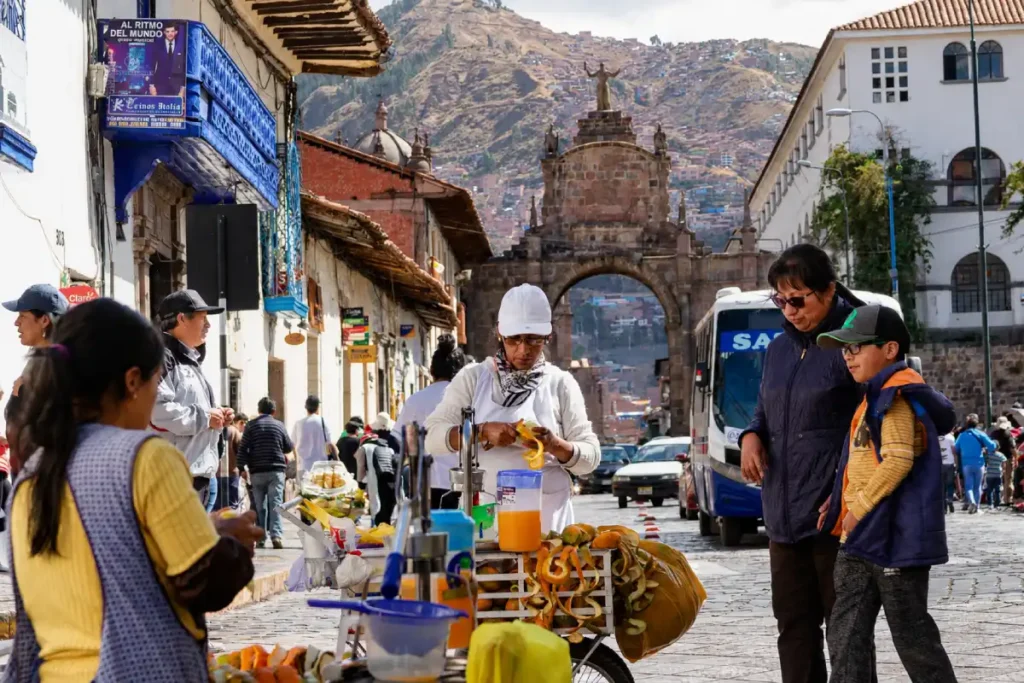
You can train for months, buy the best hiking gear, and carefully plan your Inca Trail adventure—but if you overlook your first couple of days in Cusco, you're making one of the most common mistakes first-time trekkers make.
At 3,400 m (11,150 ft) above sea level, Cusco isn't just the gateway to Machu Picchu; it's where your body begins adapting to high altitude. Those 48 to 72 hours before your trek can make the difference between enjoying the experience and struggling through the first days with headaches, fatigue, or digestive problems.
Most guides focus on attractions like San Blas, the Plaza de Armas, or the Sacred Valley. While those places are absolutely worth visiting, they rarely explain how to use your time in Cusco to prepare for the Inca Trail itself.
This guide takes a different approach.
Instead of simply listing things to do, you'll learn:
- How many days you should spend in Cusco before the Inca Trail
- A practical 2-day acclimatization plan
- Which activities help—and which can hurt—your preparation
- What to eat (and what to avoid)
- How to test your hiking gear before the trek
- What to organize the evening before departure
- The small mistakes that experienced hikers wish they'd avoided
If your goal is to arrive at Kilometer 82 feeling prepared instead of anxious, this guide is for you.
- Why the Days Before the Inca Trail Matter More Than You Think
- How Many Days Should You Spend in Cusco Before the Inca Trail?
- What Should You Prioritize During Those Days?
- A Practical 2-Day Acclimatization Plan
- Day 1: Recover, Hydrate and Let Your Body Adjust
- Day 2: Walk, Test Your Gear and Build Confidence
- Optional Afternoon Activities
- What NOT to Do Before the Inca Trail
- The Evening Before Your Trek: The Checklist Most Travelers Wish They Had
- Your Evening Before the Inca Trail Checklist
- One Last Lesson
- Frequently Asked Questions
- Final Thoughts
Why the Days Before the Inca Trail Matter More Than You Think
One of the biggest misconceptions about the Inca Trail is that physical fitness alone is enough.
It isn't.
Even experienced runners, cyclists, and hikers can feel the effects of altitude when they arrive in Cusco. The lower oxygen levels affect everyone differently, regardless of age or fitness level.
Many first-time visitors make one of two mistakes:
- They treat Cusco as a city break and try to do too much too soon.
- They spend their time resting completely, missing the chance to adapt gradually.
The ideal approach sits somewhere in the middle.
Your goal during these first days isn't to train harder—it's to help your body adapt while keeping your energy for the trek ahead.
The mistake I made on my first afternoon
If someone had told me that the Inca Trail actually starts the day before you reach Kilometer 82, I would have avoided a couple of painful lessons.
I arrived in Cusco feeling confident. Back home I was doing cardio almost every day, so I assumed the altitude warnings were exaggerated.
A few hours after landing, I made what is probably the most common mistake.
I ordered a huge traditional Peruvian meal near Plaza de Armas because I was starving after the flight.
Three hours later, I was lying in my hotel bed with a pounding headache and one of the slowest digestions I've ever experienced.
The hotel staff brought me cup after cup of muña tea, explaining that many visitors underestimate how differently their bodies react at altitude.
That afternoon completely changed how I approached the rest of my stay.
Instead of trying to "make the most" of every hour, I focused on eating lighter meals, drinking plenty of water, and letting my body catch up.
Ironically, those small adjustments probably helped me enjoy the Inca Trail much more than another afternoon of sightseeing would have.
How Many Days Should You Spend in Cusco Before the Inca Trail?
The short answer is:
Plan to spend at least 2 full days in Cusco before starting the Inca Trail. Three days is even better if your itinerary allows it.
Here's why.
| Time in Cusco | Recommended? | Why |
|---|---|---|
| Same day | ❌ No | Very high risk of altitude discomfort and fatigue. |
| 1 day | ⚠️ Not ideal | Better than nothing, but your body has very little time to adapt. |
| 2 days | ✅ Recommended | Enough time for most travelers to begin acclimatizing. |
| 3 days | ⭐ Ideal | More comfortable pace and additional flexibility if you feel tired. |
Everyone acclimatizes differently.
Some travelers feel perfectly normal within hours, while others may experience headaches, reduced appetite, shortness of breath, or poor sleep during the first couple of days.
That's completely normal.
Rather than trying to "beat" the altitude, your goal is simply to give your body enough time to adjust.
What Should You Prioritize During Those Days?
Think of your preparation in four areas:
1. Acclimatization
Your body needs time.
Stay hydrated.
Sleep well.
Avoid unnecessary physical stress.
2. Gentle Movement
Walking actually helps.
Long, relaxed walks around Cusco are far more useful than staying in bed all day.
The key is intensity.
You should finish your walks feeling energized—not exhausted.
3. Equipment Check
Cusco is the perfect place to discover problems before they become serious.
This includes:
- Boots
- Backpack fit
- Socks
- Trekking poles
- Rain gear
- Layers
Every small issue you solve here becomes one less problem on the trail.
4. Logistics
Many hikers underestimate how much organization happens before the trek begins.
Use these days to:
- Confirm your passport is ready.
- Organize your duffel bag.
- Buy forgotten gear.
- Withdraw cash if needed.
- Attend your operator's briefing.
You'll thank yourself later.
A Practical 2-Day Acclimatization Plan
The purpose of this itinerary isn't to see every attraction in Cusco.
It's to help you arrive at the Inca Trail healthy, rested, and confident.
Day 1: Recover, Hydrate and Let Your Body Adjust
If you've just landed, especially after a long international flight, this day should be intentionally easy.
You don't lose anything by slowing down.
In fact, you'll probably gain much more energy for the days ahead.
Morning
If you arrive early:
- Check into your accommodation.
- Drink water regularly.
- Have a light breakfast or snack.
- Resist the temptation to immediately start sightseeing.
Many hotels in Cusco offer coca tea or muña tea upon arrival. While many travelers enjoy these traditional herbal drinks as part of their acclimatization routine, remember that they are not a substitute for proper hydration, rest, or medical advice if you develop severe altitude symptoms.
Lunch
This is where I learned my first lesson.
After arriving hungry from my flight, I ordered one of the biggest meals on the menu.
At sea level, it probably wouldn't have mattered.
At 3,400 meters, it was a different story.
For the rest of the afternoon, I felt bloated, sluggish, and completely drained.
Looking back, I would have chosen something much lighter.
Good first-day options include:
- Quinoa soup
- Grilled chicken with rice
- Fresh vegetables
- Trout
- Light pasta
- Plenty of water
Heavy fried food, oversized portions, and excessive alcohol can wait until after the trek.
Your stomach will probably thank you.
Afternoon
Instead of trying to visit every attraction, choose one or two easy activities.
Good options include:
Explore Plaza de Armas
Take your time.
Sit on a bench.
Watch daily life unfold.
Visit the cathedral if you're interested in history.
The objective isn't to rush—it's simply to spend time outdoors while moving gently.
Visit San Pedro Market
This is one of the best places to experience local life without climbing endless hills.
You can browse fruit stalls, fresh juices, local snacks, and handmade products while walking at your own pace.
It's also a convenient place to buy small travel essentials if you've forgotten something.
Have an Early Dinner
Aim for another light meal.
If you're still adjusting to the altitude, there's no prize for eating the largest local specialty on your first night.
Simple food often works best.
Evening
Before going to bed:
✔ Refill your water bottle.
✔ Charge your electronics.
✔ Lay out comfortable clothes for tomorrow.
✔ Get as much sleep as possible.
Even if excitement makes it difficult to fall asleep, giving yourself extra time to rest can help you feel more refreshed the following day.
End of Day 1
By the end of your first day in Cusco, you shouldn't be asking:
"How many attractions did I visit?"
Instead, ask yourself:
- Do I feel better than when I arrived?
- Am I eating normally?
- Can I walk comfortably without feeling exhausted?
- Is my body adapting?
If the answer is yes, you're exactly where you want to be.
Day 2: Walk, Test Your Gear and Build Confidence
By your second day in Cusco, you should hopefully feel more comfortable than when you arrived. You may still notice the altitude when climbing stairs or walking uphill, but that's completely normal.
This is the ideal day to move a little more, explore beyond the historic center, and make sure both you and your gear are ready for the Inca Trail.
Remember, this isn't a training day. You're not trying to improve your fitness in the final 24 hours—you've already done that at home. Today is about building confidence and spotting small issues before they become big problems on the trail.
Morning: Take a Walk Through San Blas
If there's one place I'd recommend before the Inca Trail, it's San Blas.
The neighborhood's narrow cobblestone streets and gentle but continuous climbs make it the perfect place to see how your body responds to altitude.
What surprised me most wasn't the steepness—it was how quickly I ran out of breath.
Back home, I would have walked up those streets without thinking twice. In Cusco, I realized I needed to slow down almost immediately.
Instead of fighting the altitude, I started taking shorter steps and matched my breathing to my pace:
- Inhale for two steps.
- Exhale for two steps.
- Repeat.
It sounds incredibly simple, but it completely changed how I felt. Within a few minutes, walking became much more comfortable.
That same steady rhythm would become one of the most useful habits during the Inca Trail itself.
Use This Walk to Test Your Boots
Many hikers know they shouldn't wear brand-new boots on the Inca Trail.
Far fewer actually test them before the trek.
San Blas is an excellent place to do exactly that.
Pay attention to:
- Heel movement
- Toe pressure on downhill sections
- Hot spots or rubbing
- Lace tension
- Overall comfort
I discovered a slight rub on my right heel after only fifteen minutes.
It didn't seem like a big deal—but on a four-day trek, that tiny irritation could easily have turned into a painful blister.
Back at the hotel, I covered the area with medical tape and switched to thicker merino wool socks.
It felt like such a small adjustment at the time.
Looking back, it probably saved me from dealing with blisters during the hardest days of the hike.
Pro tip: If you notice discomfort in Cusco, fix it immediately. Don't assume it will magically disappear once you're on the trail.
Optional Afternoon Activities
After your morning walk, choose one activity that keeps you moving without overloading your body.
Good options include:
Visit Sacsayhuamán
The archaeological site is close to Cusco and offers spectacular views over the city.
The walk uphill can feel challenging because of the altitude, so take your time and stop whenever you need to.
This isn't a race.
Explore the Sacred Valley
If your itinerary allows, spending part of the day in the Sacred Valley can be an excellent choice.
Towns like Pisac and Ollantaytambo sit at a lower altitude than Cusco, which some travelers find more comfortable while acclimatizing.
It's also a chance to experience local markets, Inca ruins, and beautiful mountain scenery without committing to a strenuous hike.
Just avoid trying to fit too many stops into a single day.
Shop for Last-Minute Gear
Cusco has plenty of outdoor stores where you can replace forgotten items or upgrade your gear.
Common purchases include:
- Rain ponchos
- Gloves
- Headlamps
- Trekking pole accessories
- Water bottles
- Buffs
- Sunscreen
- Dry bags
- Extra socks
Buying a forgotten item today is much less stressful than searching for it at 9 p.m. the night before your trek.
What NOT to Do Before the Inca Trail
Many guides tell you where to go.
Just as important is knowing what to avoid.
The following mistakes are surprisingly common—and completely preventable.
| Avoid | Why |
|---|---|
| Heavy meals | Digestion often feels slower at high altitude, especially during your first days. Choose lighter meals until you feel fully adjusted. |
| Too much alcohol | Alcohol can contribute to dehydration and may make altitude symptoms feel worse. |
| Extreme hikes before the trek | Save your energy for the Inca Trail itself. Challenging hikes like Rainbow Mountain or Humantay Lake are better enjoyed before or after your trek—not immediately beforehand. |
| Trying to "push through" altitude symptoms | If you develop persistent or worsening symptoms, rest and seek medical advice rather than forcing yourself to continue sightseeing. |
| Breaking in new gear | New boots, backpacks, or clothing should always be tested before the trek. |
| Ignoring hydration | Drink water regularly throughout the day rather than waiting until you feel thirsty. |
| Packing at the last minute | Organizing everything the night before often leads to forgotten essentials and unnecessary stress. |
The goal isn't to spend two days wrapped in bubble wrap.
It's simply to arrive at the trailhead with as much energy as possible.
The Evening Before Your Trek: The Checklist Most Travelers Wish They Had
This is the part almost nobody talks about.
Most articles stop after recommending coca tea and a visit to San Blas.
But in reality, the evening before the Inca Trail is when everything suddenly becomes real.
Your operator holds the briefing.
You receive final instructions.
You meet your guide.
And then you return to your hotel with one mission:
Get everything ready before the 4 or 5 a.m. pickup.
The Duffel Bag Surprise
After our briefing, the guide handed each of us a duffel bag that the porters would carry.
Then came the announcement:
"Everything inside this bag—including your sleeping bag if you're renting one—must stay within the operator's weight limit."
That was the moment I realized I had packed far too much.
Back at the hotel, I spread everything across the bed and started weighing items one by one.
Suddenly, every decision mattered.
Did I really need three thermal shirts?
Probably not.
Could I transfer sunscreen into a travel-size container?
Absolutely.
Did I need an extra pair of trousers?
Not really.
For nearly an hour, I removed small items until my bag finally met the required weight.
It was a simple exercise, but it taught me something important:
The lighter your duffel bag, the easier it is to stay organized throughout the trek.
Always check your operator's current weight allowance, as it can vary.
The Small Item I Almost Forgot
Just when I thought everything was ready, I looked at my trekking poles.
That's when I realized I was missing rubber tips.
Some operators and protected areas require trekking poles to have rubber covers to help protect the historic stone trail.
At nearly 9 p.m., I found myself rushing through Cusco looking for an outdoor shop that was still open.
Fortunately, I found one.
Had I waited until the next morning, it would have been too late.
It's a perfect example of why checking your equipment the night before matters so much.
Your Evening Before the Inca Trail Checklist
Before going to sleep, make sure you've completed the following:
Documents
- Passport packed in a waterproof pouch or zip bag.
- Entry permit (if required by your operator).
- Travel insurance information.
Daypack
- Water.
- Snacks.
- Rain jacket.
- Warm layer.
- Hat.
- Sunscreen.
- Sunglasses.
- Camera or phone.
- Personal medication.
- Toilet paper or tissues.
Duffel Bag
- Sleeping clothes.
- Extra hiking clothes.
- Spare socks.
- Toiletries.
- Sleeping bag (if applicable).
- Sandals or camp shoes.
- Battery pack and charging cable.
Gear Check
- Boots ready.
- Trekking poles assembled.
- Rubber tips packed if needed.
- Headlamp tested.
- Watch or phone alarm set.
- Water bottles filled.
One Last Lesson
By the time I finally climbed into bed, everything was ready.
The passport was sealed inside a waterproof bag.
My boots were waiting by the door.
The duffel bag was packed.
The alarm was set for before dawn.
I didn't sleep particularly well—mostly because I was too excited.
But unlike the day I arrived in Cusco, I wasn't worried anymore.
I'd already made the mistakes.
I'd already fixed them.
The next morning, when our bus pulled up to Kilometer 82, there was only one thing left to do:
Start walking.
Frequently Asked Questions
Is 2 days enough to acclimatize in Cusco before the Inca Trail?
For most travelers, 2 full days is the minimum recommended amount of time. It gives your body a chance to begin adjusting to the altitude while leaving enough energy for the trek.
If your schedule allows, spending 3 days in Cusco can make the experience even more comfortable, especially if you're arriving directly from sea level or have never been above 3,000 meters before.
Remember that everyone acclimatizes differently. Listen to your body rather than comparing yourself to other travelers.
Should I visit Rainbow Mountain before the Inca Trail?
Generally, no.
Rainbow Mountain sits at an even higher altitude than Cusco and requires a physically demanding hike. Doing it immediately before a four-day trek can leave you tired before you've even reached the Inca Trail.
If Rainbow Mountain is on your bucket list, consider visiting after the Inca Trail or on a separate trip.
The same advice applies to other strenuous hikes, such as Humantay Lake.
Is walking around Cusco better than resting all day?
In most cases, yes.
Completely staying in bed isn't usually the fastest way to acclimatize.
Instead, take easy walks around the city, drink plenty of water, eat light meals, and avoid overexertion.
Places like Plaza de Armas, San Blas, and San Pedro Market are ideal because you can move at your own pace and stop whenever you need to.
What should I eat before the Inca Trail?
During your first couple of days in Cusco, many travelers feel better with:
Quinoa soup
Grilled chicken or fish
Rice
Pasta
Fresh fruit
Vegetables
Plenty of water
If there's one lesson I learned the hard way, it's this:
A massive, heavy meal on your first afternoon isn't the celebration you think it will be.
Your stomach is adapting to the altitude too.
Saving rich local dishes for after the trek isn't exactly exciting—but it may help you feel much better when the hiking begins.
Should I drink coca tea?
Many visitors choose to drink coca tea or muña tea as part of their acclimatization routine, and both are widely available in Cusco.
Some travelers find them soothing, but scientific evidence is limited regarding their effectiveness for preventing altitude sickness.
The basics remain the same:
Stay hydrated.
Eat light meals.
Get enough sleep.
Increase activity gradually.
If you develop severe or persistent symptoms, seek medical attention rather than relying on herbal remedies.
Can I buy hiking gear in Cusco?
Yes.
Cusco has plenty of outdoor stores selling trekking equipment, clothing, and accessories.
You can usually find:
Rain jackets
Hiking socks
Gloves
Trekking poles
Headlamps
Water bottles
Dry bags
Buffs
Sunscreen
Trekking accessories
That said, don't rely on buying essential items at the last minute if you can avoid it.
Treat local shops as a backup, not your primary packing strategy.
What should I carry in my daypack?
Although your porter carries the duffel bag, you'll still need a comfortable daypack for the items you'll use during the hike.
A typical daypack includes:
Water
Snacks
Waterproof jacket
Fleece or warm layer
Hat
Sunscreen
Sunglasses
Camera or phone
Personal medication
Passport
Tissues or toilet paper
Keep it light.
Everything you pack is something you'll carry yourself for several hours every day.
Final Thoughts
The best way to prepare for the Inca Trail isn't by squeezing every attraction into your itinerary.
It's by arriving at the trailhead feeling rested, organized, and confident.
Cusco isn't just a stop on the way to Machu Picchu—it's an essential part of the experience.
Use those first two or three days wisely.
Walk instead of rushing.
Test your gear before it matters.
Eat to fuel your body, not just to try every local specialty.
And don't underestimate the value of solving small problems before they become big ones on the trail.
Looking back, the mistakes I made in Cusco weren't setbacks—they were part of my preparation.
The heavy lunch taught me to respect the altitude.
The walk through San Blas helped me discover a blister before it happened.
Packing and repacking my duffel bag forced me to carry only what I truly needed.
By the time I stood at Kilometer 82, I wasn't wondering whether I had forgotten something.
I was simply excited to start walking.
And that's exactly how you want to feel when your Inca Trail adventure begins.