
Inca Trail Packing List: What to Pack for the 4-Day Trek

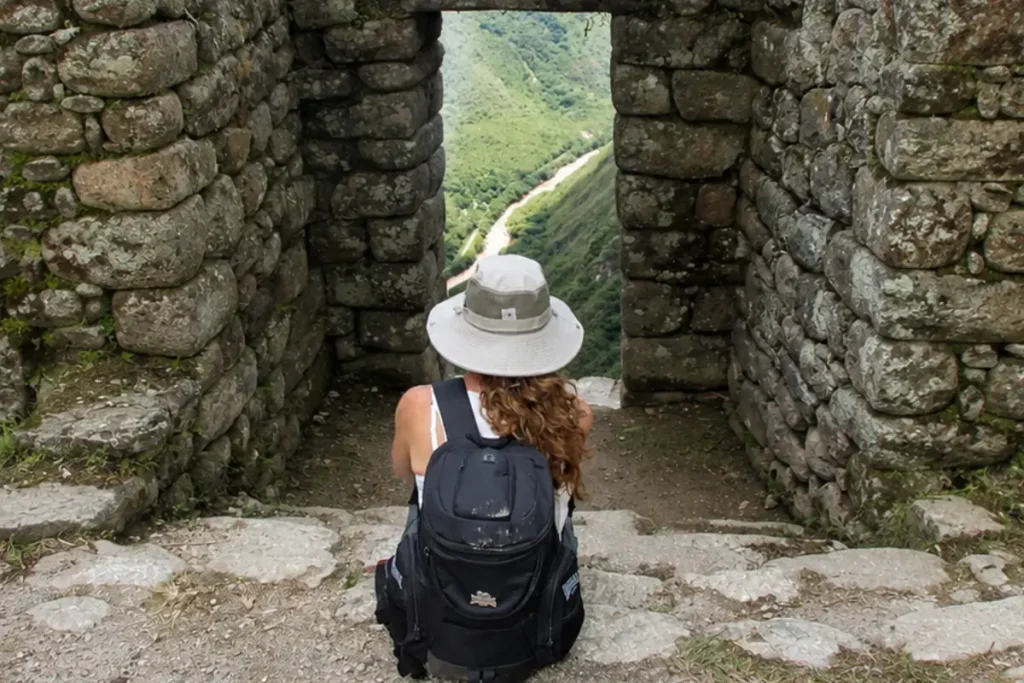
Packing for the Inca Trail is surprisingly easy to overcomplicate. You start with the essentials, add a few things “just in case,” and suddenly your bag is full of gear you may never use.
After hiking the trail myself, my biggest packing lesson was simple: you don't need as much as you think. What matters is having the right layers, comfortable footwear, dry clothes for camp, and the essentials you actually need during the day.
This Inca Trail packing list is built around the classic 4-day trek. Use it as a starting point, then adjust it for your trekking company, the time of year, your personal tolerance to cold, and any equipment your operator provides.
- Inca Trail Packing List: The Quick Checklist
- How Much Clothing Do You Actually Need for the 4-Day Inca Trail?
- Dress in Layers: What to Wear on the Inca Trail
- Hiking Boots, Socks, and Camp Shoes
- What Should Go in Your Inca Trail Daypack?
- What Goes in the Porter Duffel?
- Sleeping and Camping Gear
- Sun, Rain, and Cold Protection
- Toiletries, Hygiene, and Small Essentials
- What Not to Pack for the Inca Trail
- Packing for Drier vs. Wetter Conditions
- Inca Trail Packing Mistakes I'd Avoid
- Final 4-Day Inca Trail Packing Checklist
- Inca Trail Packing FAQs
Inca Trail Packing List: The Quick Checklist
If you only want the short version, start here.
Clothing
- 2 pairs of comfortable hiking pants
- 3–4 lightweight long-sleeve hiking shirts
- 2–3 lightweight tops or tank tops
- 1 pair of thermal base-layer pants
- Underwear for each day + 1–2 spare pairs
- 3–4 pairs of good hiking socks, ideally wool or merino
- 1 fleece
- 1 insulated down or synthetic jacket
- 1 waterproof rain jacket or poncho
- Optional running shorts if you get hot easily
- Warm hat/beanie
- Lightweight gloves if you feel the cold
Footwear
- Well-broken-in hiking boots or hiking shoes
- Sandals, Crocs, or other lightweight camp shoes
In Your Daypack
- Water
- Rain jacket or poncho
- An accessible warm layer
- Sunscreen
- Sunglasses
- Sun hat
- Snacks
- Phone/camera
- Personal medication and small essentials
- Passport and required documents
- Any items you may need before reaching camp
Camp and Sleeping Gear
Depending on what your operator provides or rents:
- Sleeping bag
- Sleeping mat
- Headlamp
- Warm sleeping clothes
- Toiletries
- Power bank
Other Useful Gear
- Trekking poles
- Water bottle or hydration bladder
- Small blister/foot-care kit
- Hand sanitizer
- Toilet paper/tissues
- Small waterproof bags or dry bags
Before buying anything, check your trek operator's inclusions. Sleeping bags, trekking poles, sleeping mats, duffel bags and other equipment may be included, rented separately, or left entirely to the traveler.
How Much Clothing Do You Actually Need for the 4-Day Inca Trail?
This is where packing lists often become unnecessarily complicated.
You don't need a completely fresh outfit every morning. You need enough clothing to hike comfortably, stay warm when temperatures drop, and keep at least one set of clothes reasonably dry for camp.
Hiking Clothes for the Day
The setup that worked for me was:
| Item | How much I recommend | Why |
|---|---|---|
| Hiking pants | 2 pairs | Enough to rotate without excessive weight |
| Lightweight long-sleeve shirts | 3–4 | Useful for hiking, sun coverage and vegetation |
| Lightweight tops/tank tops | 2–3 | Good for warmer stretches and layering |
| Running shorts | Optional | Worth considering if you get very hot uphill |
| Underwear | 1 per day + 1–2 extra | Small enough that a backup is worth carrying |
| Hiking socks | 3–4 pairs | One area where I wouldn't cut corners |
Convertible hiking pants are particularly useful if you like having the option of switching between trousers and shorts without packing separate garments.
Long-sleeve hiking shirts were one of my preferred options on the trail because I could use them in different conditions rather than packing an entirely different top for every temperature.
If you're someone who overheats quickly on climbs, a pair of running shorts can also be useful. Treat them as an optional comfort item rather than a universal essential.
Keep Your Hiking Clothes Separate From Your Camp Clothes
One of the most useful things I did was mentally divide my clothes into two categories:
clothes for hiking and clothes for camp/sleeping.
During the day, your priorities are movement, comfort and managing changing conditions. At camp, the priority changes: you want something dry and warm.
In my case, I kept a pair of thermal base-layer pants and a long-sleeve hiking shirt for sleeping. That combination worked far better than assuming whatever I had been hiking in would also be comfortable at night.
If possible, keep your sleeping layers protected inside a waterproof bag so you aren't forced into damp clothes at the end of a long day.
Underwear and Socks
Bring enough underwear for each hiking day plus one or two spare pairs.
For socks, I would prioritize quality over quantity. I brought 3–4 pairs of good wool socks, preferably merino, and wouldn't try to save much weight here.
The long downhill sections were exactly where I appreciated having comfortable socks rather than simply packing whatever I normally wore at home.
You don't necessarily need a brand-new pair every time you stop, but you do want enough flexibility to avoid relying on a wet or uncomfortable pair.
Dress in Layers: What to Wear on the Inca Trail
Rather than packing one outfit for hot weather, another for cold weather and another for rain, build a layering system.
That gives you far more flexibility without filling your bag with bulky clothing.
Base Layer
Your base layer is what sits closest to your body.
For hiking, this could be a lightweight long-sleeve top or technical shirt. For camp or sleeping, a warmer thermal layer can make a significant difference when the temperature drops.
You don't necessarily need to hike in thermals all day. I found them much more valuable as dedicated cold-weather and nighttime clothing.
Mid-Layer: Fleece
A fleece was one of my core layers.
It's easy to put on when you stop moving, remove once you warm up, and combine with an outer jacket when conditions become colder.
For most people, versatility matters more here than owning the thickest possible fleece.
Insulated Jacket
A lightweight down or synthetic insulated jacket is worth considering, particularly if you feel the cold.
When I hiked the Inca Trail in July, the first two nights felt freezing to me. My insulated jacket was not one of those items I carried around wondering whether it had been worth the weight—I was very glad I had it.
That is my personal experience rather than a guarantee of the conditions you will encounter. Weather and perceived temperature vary, so check the forecast close to departure.
Peru's national meteorological service, SENAMHI, describes May through August as a period when rainfall is generally scarce or absent in its Cusco seasonal climate information. That does not mean every day will be dry or that mountain conditions cannot change.
Rain and Wind Protection
Bring a proper waterproof layer even when you expect relatively dry conditions.
I carried a waterproof jacket/poncho despite hiking in July. In the mountains, I would rather have one lightweight rain layer that stays unused than discover that “dry season” means “no chance of getting wet.”
The important distinction is between being prepared for rain and packing an excessive amount of rain equipment.
A waterproof jacket or poncho plus a simple way to keep your critical clothes dry is usually a much smarter system than duplicating half your wardrobe.
Hiking Boots, Socks, and Camp Shoes
Your footwear matters more than how stylish the rest of your packing list looks.
Hiking Boots or Hiking Shoes?
There isn't one perfect answer for everybody.
Choose footwear based on:
- Fit
- Grip
- Comfort
- The support you prefer
- How confident you feel walking in it
- Whether you have already used it on longer hikes
Some hikers prefer the support of hiking boots; others are more comfortable in lighter hiking shoes.
The important part is knowing how your footwear feels after several hours on your feet.
Never Wear Brand-New Boots on the Inca Trail
Do not make the Inca Trail the first serious test of new hiking boots.
Whatever you choose, wear them beforehand. Walk hills in them. Use them for several hours. Make sure your socks work with them.
The trail is not where you want to discover that your heel rubs, your toes hit the front on descents, or the fit becomes uncomfortable after a long day.
Don't Skimp on Socks
If I had to choose between carrying another casual shirt and carrying good hiking socks, I would take the socks.
I used 3–4 pairs of wool/merino socks, and they were particularly welcome on the longer downhill sections.
Treat socks as part of your footwear system rather than an afterthought.
Bring Camp Shoes
Sandals or Crocs might look like an unnecessary luxury while you're packing in Cusco.
At camp, they make much more sense.
Changing out of hiking boots gave my feet a break at the end of the day and was one of those small comforts I was happy to have carried.
Choose something lightweight. This isn't the place for a second pair of heavy shoes.
What Should Go in Your Inca Trail Daypack?
A useful way to decide what belongs in your daypack is to ask:
Could I realistically need this before I reach camp?
If the answer is yes, keep it with you.
If the answer is no—and your operator transports a separate duffel—it probably doesn't need to be on your back all day.
Keep These Items Accessible
A practical daypack setup can include:
- Water
- Rain jacket or poncho
- Fleece or another removable layer
- Sunscreen
- Sunglasses
- Sun hat
- Snacks
- Phone or camera
- Personal medication
- Small foot/blister essentials
- Passport or required documentation
- Hand sanitizer/tissues
- Any personal item you genuinely need during the hike
Avoid burying your waterproof jacket underneath everything else. If weather changes, you should be able to reach it quickly.
The same applies to sunscreen, snacks and water.
How to Organize Your Daypack
I would divide the bag into three access levels.
Fast access: water, sunscreen, snacks, sunglasses, phone.
Weather access: fleece, rain jacket/poncho, hat.
Rare access: personal backup items, small first-aid essentials and documents.
Use small waterproof bags or dry sacks to group important items rather than allowing everything to mix together at the bottom.
Check the Current Machu Picchu Bag Rules
There is an important difference between what is convenient on the trail and what is permitted once you enter the archaeological site.
As of August 2026, the official Machu Picchu conduct rules prohibit bags and backpacks larger than 40 × 35 × 20 cm (16 × 14 × 8 in) inside the llaqta.
If your daypack is larger, confirm the current arrangements with your trekking company before departure rather than assuming you can carry it everywhere.
Regulations can change, so this is one detail worth rechecking shortly before your trip.
What Goes in the Porter Duffel?
If your trekking company provides porter-supported duffel transport, use it strategically.
A simple rule is:
If you don't need it until camp, don't carry it in your daypack.
Possible duffel items include:
- Clothes for the next day
- Thermal sleeping clothes
- Spare underwear
- Spare socks
- Camp shoes
- Sleeping bag, if applicable
- Toiletries
- Items you'll only use after arriving at camp
The exact system differs between companies.
Your operator may impose a specific duffel weight allowance, provide a particular bag, transport sleeping equipment separately, or require you to carry certain items yourself.
Confirm These Before You Pack
Ask your trek company:
- Do you provide a duffel bag?
- What is the weight allowance?
- Do you provide or rent sleeping bags?
- Is a sleeping mat included?
- Can I rent trekking poles?
- What camping equipment do you provide?
- When during the day can I access my duffel?
- What must stay in my personal daypack?
Getting those answers first can prevent you from buying equipment you don't need or carrying duplicate gear.
Sleeping and Camping Gear
You don't necessarily need to purchase an entire camping setup for one Inca Trail trek.
Start by checking what is included.
Sleeping Bag
Your operator may provide a sleeping bag, rent one, or expect you to arrange your own.
Before choosing one, ask what nighttime conditions you should prepare for on your specific departure and what equipment is already included.
Don't select a sleeping bag simply because another traveler's packing list recommends a particular model. Your itinerary, season and operator setup may differ.
Headlamp
A headlamp is a small item that is easy to justify.
It keeps both hands free around camp and means you don't have to depend entirely on your phone as a flashlight.
Bring it charged and check the batteries before leaving Cusco.
Trekking Poles
Trekking poles can be useful if you already like hiking with them, especially when managing long climbs and descents.
However, don't assume the rules that apply on the trail are identical to those inside Machu Picchu itself.
As of August 2026, the official Machu Picchu conduct page lists walking sticks among prohibited items inside the archaeological site. If you plan to use trekking poles during the hike, ask your operator how they should be handled before entering the llaqta and check the current rules before departure.
What Your Trek Company May Provide
Depending on your booking, an operator may handle items such as:
- Tents
- Sleeping mats
- Duffel bags
- Porter transport
- Cooking equipment
- Some camping gear
But there is no reason to guess.
Use your operator's official inclusion list as the final authority for your particular trek.
Sun, Rain, and Cold Protection
The easiest way to prepare for changing conditions is to cover three separate problems: sun, rain and cold.
Sun Protection
Consider packing:
- Sunscreen
- Sunglasses
- A sun hat
- Lightweight long sleeves
Long sleeves worked well for me because they served more than one purpose: they were useful as hiking layers while also giving me additional coverage from sun and vegetation.
Rain Protection
Pack:
- Waterproof shell or poncho
- Waterproof protection for important clothes
- A simple pack cover or internal dry-bag system if useful
Your goal isn't to waterproof every possession individually.
Prioritize keeping critical items—especially camp/sleeping clothes—dry.
Cold-Weather Extras
Depending on the season and your tolerance to cold:
- Fleece
- Insulated jacket
- Thermal base layer
- Beanie
- Gloves
When I packed for July, the insulated jacket and thermal sleeping layer were among the items that justified their space once we reached the colder camps.
Toiletries, Hygiene, and Small Essentials
This is another category where “just in case” packing can get out of hand.
Bring what you genuinely need for a few days, preferably in small quantities.
Toiletries
Depending on your needs:
- Toothbrush
- Small toothpaste
- Hand sanitizer
- Toilet paper or tissues
- Wet wipes if useful
- Lip balm
- Small personal hygiene items
There is little reason to carry full-size bathroom products.
Foot and Blister Care
If you normally use specific blister-prevention or foot-care products while hiking, bring a small amount.
Don't build an enormous medical kit based on every problem that could theoretically happen.
For medications or health concerns—including altitude-related issues—follow appropriate medical advice rather than treating a packing list as medical guidance.
Power and Electronics
For most hikers, the essentials are simple:
- Phone
- Charging cable
- Power bank
- Camera, if photography is important to you
Every piece of electronics has a cost in weight, cables and batteries.
Ask yourself whether you will actually use it enough to justify carrying it for four days.
What Not to Pack for the Inca Trail
One of the easiest ways to improve your packing list is to remove things.
After doing the trail myself, I would be much more skeptical of anything that enters the bag only because I can imagine some unlikely situation where it might be useful.
Too Many “Just in Case” Clothes
You don't need a unique outfit for every combination of weather and activity.
Use layers.
Two versatile items that work together are usually better than several garments with very narrow purposes.
Brand-New Hiking Boots
Leave the untested footwear at home.
Comfort you've already verified is more valuable than a newer or more technical-looking pair of boots.
Full-Size Toiletries
Decant what you need into smaller containers.
Four days of trekking doesn't require your complete bathroom cabinet.
Unnecessary Electronics
A phone, camera and power bank can already add meaningful weight.
Think carefully before adding tablets, multiple lenses, large chargers or electronics you're unlikely to use at camp.
Heavy Camp Shoes
Camp footwear is useful.
A second substantial pair of outdoor shoes usually isn't.
Bring something simple and lightweight.
Clothes and Items You Won't Use Until You Return to Cusco
Leave urban travel clothing, unnecessary valuables and non-trekking luggage behind when your travel arrangements allow it.
The goal is not to move your entire Peru suitcase across the Andes.
Packing for Drier vs. Wetter Conditions
There is no packing list that removes the need to check the forecast immediately before your trek.
Mountain conditions vary, and a seasonal label cannot tell you exactly what will happen on your four hiking days.
SENAMHI's Cusco climate information identifies May through August as a period when rainfall is generally scarce or absent.
That makes a useful planning distinction, but not an excuse to abandon rain protection.
For Drier Conditions
Prioritize:
- Sun protection
- Layers
- Warm camp clothing
- Insulated jacket if appropriate
- Rain shell or poncho kept accessible
My July trek is a good example of why “drier” and “warm” should not be treated as synonyms. The first two nights felt extremely cold to me, so my sleeping thermals and insulated jacket were valuable even though rain was not my main concern.
For Wetter Conditions
Put more emphasis on:
- Reliable waterproof outer layer
- Protecting sleeping clothes from moisture
- Dry socks
- Internal waterproof bags/dry bags
- Keeping rain gear near the top of your daypack
Don't solve wet weather by doubling everything.
Solve it by protecting the items that need to remain dry.
Inca Trail Packing Mistakes I'd Avoid
1. Packing for Every Possible Scenario
This is probably the biggest one.
You can always imagine another situation that justifies another piece of gear.
Instead, ask whether each item solves a likely and meaningful problem.
2. Wearing New Footwear
The trail shouldn't be your boot test.
Use footwear you already trust.
3. Treating Hiking Clothes and Sleeping Clothes as the Same Thing
In practice, separating them worked much better for me.
Knowing I had dry thermals waiting at camp made more sense than expecting my daytime hiking clothes to do everything.
4. Underestimating Cold Nights
I did the trek in July, and the first two nights were much colder than I would have wanted to experience without warm layers.
Don't judge your nighttime clothing requirements only by how warm you expect to feel while climbing during the day.
5. Saving Space on Socks
Good socks earn their place in the bag.
I would cut an unnecessary top before I reduced my hiking socks to the bare minimum.
6. Carrying Everything in Your Daypack
If your operator transports a duffel, use that service intelligently.
Your daypack should contain what you need during the hiking day, not your complete inventory.
Final 4-Day Inca Trail Packing Checklist
Use this section for your final check before leaving Cusco.
Wear or Rotate on the Trail
- 2 hiking pants
- 3–4 lightweight long-sleeve hiking shirts
- 2–3 lightweight tops/tank tops
- Optional running shorts
- Underwear for each day + 1–2 extras
- 3–4 pairs wool/merino hiking socks
- Broken-in hiking boots or hiking shoes
Keep in Your Daypack
- Water
- Rain jacket or poncho
- Fleece/warm layer
- Sunscreen
- Sunglasses
- Sun hat
- Snacks
- Phone/camera
- Personal medication
- Small foot/blister kit
- Hand sanitizer/tissues
- Passport/required documents
- Personal essentials
Put in Your Porter Duffel, If Included
- Spare hiking clothes
- Thermal sleeping pants
- Sleeping shirt
- Spare underwear
- Spare socks
- Insulated jacket if not needed during the day
- Camp shoes
- Toiletries
- Sleeping bag if your operator's system allows it
- Other camp-only items
Confirm With Your Operator
- Duffel bag included?
- Duffel weight allowance?
- Sleeping bag included or rentable?
- Sleeping mat included?
- Trekking poles available?
- Tents/camping gear included?
- What must stay in your daypack?
- Current Machu Picchu entry requirements?
Leave in Cusco
- Extra everyday outfits
- Full-size toiletries
- Heavy spare shoes
- Unnecessary electronics
- Non-essential valuables
- Anything packed purely because “maybe I'll need it”
Inca Trail Packing FAQs
How much should I pack for the 4-day Inca Trail?
Pack enough clothing to rotate hiking layers and keep dry clothing for camp, rather than trying to wear a completely new outfit every day.
My setup included two hiking pants, 3–4 long-sleeve hiking shirts, 2–3 lightweight tops, underwear for each day plus backups, and 3–4 pairs of wool socks.
If your operator transports a duffel, keep your personal daypack focused on what you'll need while walking.
What size daypack do I need for the Inca Trail?
Choose a daypack large enough for water, rain protection, a warm layer, sun protection, snacks and your personal essentials without encouraging you to carry everything you own.
Also consider your final entry into Machu Picchu: as of August 2026, the official conduct rules prohibit bags larger than 40 × 35 × 20 cm inside the llaqta. Verify the rule again before your trip because regulations can change.
Do I need hiking boots for the Inca Trail?
You need comfortable, suitable hiking footwear, but that does not mean every traveler needs the same style of boot.
Fit and previous experience matter more than buying something new immediately before departure.
Whatever you choose, break it in first.
Do I need a down jacket?
Not necessarily a down jacket specifically. A lightweight insulated down or synthetic jacket can be useful for cold camps.
I carried one during my July trek and was very glad to have it during the first two cold nights.
Your own need will depend on the season, forecast and how easily you feel cold.
Do I need rain gear in the drier months?
I would bring a waterproof jacket or poncho regardless.
SENAMHI identifies May through August as generally having scarce or no rainfall in its Cusco seasonal climate information, but that is a broad climatic pattern rather than a guarantee for your trekking dates.
A lightweight waterproof layer is therefore still part of my core packing list.
How many pairs of socks should I bring?
I recommend 3–4 pairs of good hiking socks for the classic four-day trek.
Wool or merino worked well for me, and socks were one area where I was happy not to pack too minimally.
What do Inca Trail porters carry?
That depends on the company and the service you booked.
Some operators transport a separate duffel and camping equipment, but weight allowances and inclusions vary.
Check your operator's written inclusions rather than relying on a generic packing list.