
Inca Trail in July: Weather, Packing Tips & What to Expect

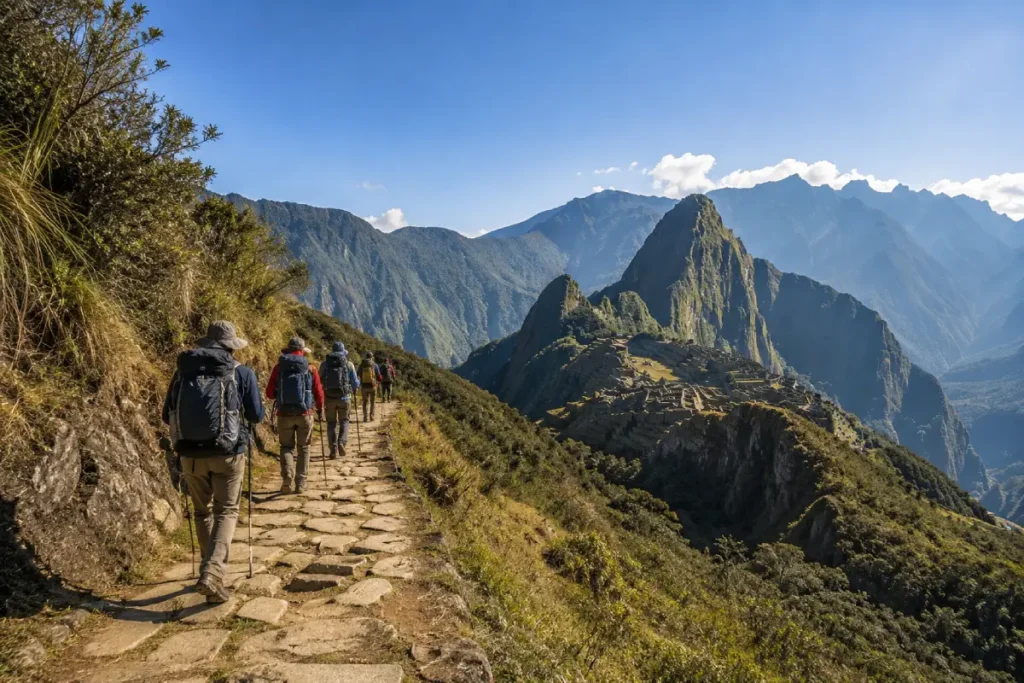
If you're planning to hike the Inca Trail in July, you're choosing one of the most popular—and arguably one of the best—times of the year to experience Peru's most iconic trek. July falls in the heart of the dry season, bringing sunny days, spectacular mountain views, and excellent trail conditions.
However, don't let the clear skies fool you.
July also delivers freezing nights at high altitude, intense UV radiation, and dramatic weather changes as you descend from the Andes into the cloud forest. On the same day, you can leave camp wearing gloves and a down jacket and finish the afternoon hiking in the heat, wondering why you packed so many warm clothes.
I experienced this contrast firsthand. Landing in Cusco in mid-July meant stepping into crisp, dry mountain air at 11,150 feet (3,400 m). Early mornings were cold enough to make every breath visible, yet by midday the Andean sun felt surprisingly intense. That combination stayed with me throughout the trek and quickly taught me that hiking the Inca Trail in July isn't simply about preparing for cold weather—it's about preparing for constant change.
In this guide, you'll learn:
- What the weather is really like in July.
- How cold the campsites get.
- What clothing actually works.
- Whether July is worth choosing over other months.
- The mistakes to avoid before and during the trek.
- Practical advice based on real hiking experience.
- Is July a Good Time to Hike the Inca Trail?
- Why July Is So Popular
- But July Isn't the Warmest Month
- You'll Need Time to Acclimatize
- Who Should Choose July?
- Inca Trail Weather in July
- What the Inca Trail Really Feels Like in July
- What to Pack for the Inca Trail in July
- Suggested Packing Checklist
- Trail Conditions in July
- Crowds and Permits
- Pros and Cons of Hiking the Inca Trail in July
- Expert Tips for Hiking the Inca Trail in July
- Frequently Asked Questions About the Inca Trail in July
- Final Verdict: Should You Hike the Inca Trail in July?
Is July a Good Time to Hike the Inca Trail?
Short answer: yes.
For most travelers, July is one of the best months to hike the Inca Trail. It offers reliable weather, dry trails, and outstanding visibility across the Andes.
That said, it also comes with a few trade-offs that are worth understanding before booking.
| Advantages | Disadvantages |
|---|---|
| Dry weather | Cold nights |
| Clear mountain views | High demand for permits |
| Lower chance of rain | Busy campsites |
| Safer trail conditions | Strong UV radiation |
| Excellent photography | Large temperature swings |
Overall, if you don't mind chilly mornings and booking several months in advance, July provides one of the most rewarding hiking experiences of the year.
Why July Is So Popular
July is part of Peru's dry season, which generally runs from May through September.
During this period:
- Rainfall is minimal.
- Ancient stone steps stay relatively dry.
- River crossings are easier.
- Landslides are uncommon.
- Visibility is often exceptional.
Unlike the rainy season, clouds rarely hide the surrounding snow-capped peaks or Machu Picchu itself.
For photographers, this is one of the biggest advantages.
Early morning light frequently creates spectacular conditions for landscape photography, especially around Dead Woman's Pass and the Sun Gate.
But July Isn't the Warmest Month
This is where many travelers misunderstand the dry season.
Dry weather does not mean warm weather.
At elevations above 13,000 feet (4,000 m), clear skies allow daytime temperatures to rise comfortably under direct sunlight—but they also allow heat to escape rapidly after sunset.
As a result, nighttime temperatures can approach freezing at higher campsites.
During my trek, the cold became most noticeable after reaching Warmiwañusca (Dead Woman's Pass). The wind didn't simply feel cold—it seemed to cut straight through every layer of clothing. By the time we reached camp, putting on a down jacket wasn't about comfort anymore; it felt necessary just to stay warm.
That night reminded me that your sleeping system matters just as much as your hiking clothes.
You'll Need Time to Acclimatize
Another reason July catches some visitors by surprise has nothing to do with the weather.
It's the altitude.
Cusco sits at over 11,000 feet (3,400 m), and the trail climbs to more than 13,800 feet (4,215 m).
Even experienced hikers can struggle if they begin trekking immediately after arriving.
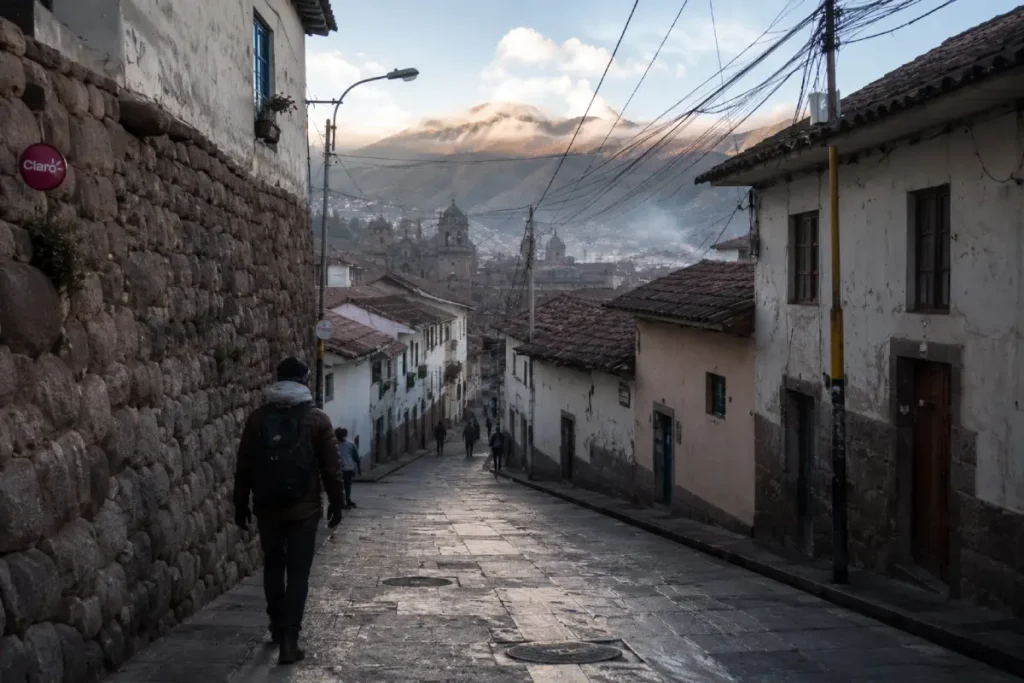
I spent two days in Cusco before starting the hike, taking things slowly, drinking coca tea, and walking through the city's steep streets at an easy pace. Those extra days made a noticeable difference once the climb toward Dead Woman's Pass began.
Acclimatization won't eliminate altitude sickness entirely, but giving your body time to adjust significantly improves your chances of enjoying the trek.
Who Should Choose July?
July is an excellent choice for:
- First-time visitors to Machu Picchu.
- Travelers who prioritize clear weather.
- Landscape photographers.
- Hikers seeking the classic Inca Trail experience.
- Anyone comfortable with cold nights.
It may be less suitable for travelers who:
- Dislike crowded trails.
- Prefer warmer evenings.
- Want greater flexibility with travel dates.
- Plan trips at the last minute, as permits often sell out months in advance.
Inca Trail Weather in July
July is one of the driest months on the Inca Trail, but describing it simply as "dry and sunny" doesn't tell the whole story.
The trail crosses multiple ecological zones, and conditions can change dramatically over just a few hours of hiking.
One moment you're climbing through cold alpine terrain wrapped in thermal layers; later the same afternoon you're descending into humid cloud forest where the heat feels almost tropical.
Understanding these changes is far more useful than memorizing average temperatures.
Average Temperatures
| Location | Day | Night |
|---|---|---|
| Cusco | 65–70°F (18–21°C) | 32–37°F (0–3°C) |
| High passes | 45–55°F (7–13°C) | Below freezing possible |
| Campsites | 50–60°F (10–15°C) | Around 30–36°F (-1–2°C) |
| Cloud Forest | 68–77°F (20–25°C) | Mild |
These values vary depending on altitude, wind, and cloud cover, but they provide a realistic picture of what hikers typically experience during July.
Cold Mornings
Expect to wake up before sunrise.
Most trekking days begin early, when temperatures are at their lowest.
The morning our group left Cusco, the agency picked us up around 4:30 a.m. The city was still asleep, wrapped in darkness and cold mountain air.
By the time we reached Kilometer 82, where the official trail begins, everyone was wearing hats, gloves, or insulated jackets while waiting to enter the checkpoint.
Those first hours can feel surprisingly cold, even before the real climbing starts.
Warm Afternoons
By midday, everything changes.
The combination of thinner atmosphere and stronger solar radiation means direct sunlight feels much warmer than many visitors expect.
Even though the air temperature remains moderate, the sun can quickly overheat hikers climbing uphill.
This is why breathable layers work much better than a single heavy jacket.
You'll likely remove and put back on clothing several times throughout the day.
The Coldest Part of the Trek
For many hikers, the most challenging weather arrives near Dead Woman's Pass (Warmiwañusca).
At 13,828 feet (4,215 m), it's the highest point on the Classic Inca Trail.
Strong winds are common, and temperatures drop rapidly once the sun begins to disappear.
Crossing the pass during my hike felt like entering a completely different climate. The wind wasn't particularly strong, but the freezing air made every stop uncomfortable. Tightening my beanie, pulling my waterproof shell over my insulated jacket, and continuing to walk became the easiest way to stay warm.
That evening, despite wearing mountain pants, a long-sleeve base layer, and a puffy jacket, I still spent hours inside my sleeping bag before my body generated enough warmth to stop shivering.
It's an experience many first-time hikers underestimate.
Rainfall in July
One of July's biggest advantages is the low probability of rain.
While brief showers can happen, extended rainfall is uncommon.
This usually means:
- Better trail conditions.
- Cleaner mountain views.
- Less mud.
- Faster hiking.
- More reliable camping conditions.
However, dry weather also creates dustier sections along certain parts of the trail, especially where vegetation is sparse.
Why the Weather Changes So Much
The Inca Trail doesn't remain at one elevation.
Instead, it climbs and descends through several ecosystems:
- High Andean valleys.
- Alpine mountain passes.
- Cloud forest.
- Semi-tropical vegetation near Machu Picchu.
During my trek, the transformation happened almost overnight.
After leaving the rocky highlands behind, the icy mountain air disappeared within hours. The heavy insulated jacket I'd relied on during the previous evening ended up buried at the bottom of my backpack while humidity replaced the cold.
That rapid transition is one of the defining characteristics of hiking the Inca Trail in July—and one of the main reasons packing the right clothing matters more than packing the most clothing.
What the Inca Trail Really Feels Like in July
Reading a weather forecast only tells part of the story.
What makes July unique isn't a single temperature—it's the constant need to adapt.
Every few hours, your body faces a new combination of altitude, sun exposure, wind, humidity, and physical effort.
The first challenge begins before the trek even starts. Landing in Cusco, many travelers notice the dry air immediately. Walking uphill leaves you breathing a little harder than expected, and even simple sightseeing becomes part of the acclimatization process.
By the time you reach Kilometer 82, excitement often replaces nervousness. The sound of the Urubamba River, the first Inca ruins, and the realization that you're finally starting one of the world's most famous hikes create an atmosphere that's difficult to describe.
Then comes the climb.
The ascent toward Dead Woman's Pass is where altitude, cold, and physical effort combine into the trek's toughest section. Every layer of clothing suddenly makes sense, and reaching the summit feels genuinely rewarding.
But the biggest surprise came the following day.
As we descended into the cloud forest, the freezing mountain air vanished and humid warmth took its place. Thinking the cold was behind me, I made the mistake of switching to shorts.
Within an hour, mosquitoes had turned my legs into a collection of itchy bites that lasted well beyond the trek.
That experience taught me one of the most valuable lessons of hiking the Inca Trail in July:
There is no perfect outfit—only smart layering and constant adaptation.
The hikers who stay most comfortable aren't necessarily those carrying the most expensive gear.
They're the ones who adjust their clothing before conditions become uncomfortable rather than reacting after they're already too cold, too hot, or covered in insect bites.
What to Pack for the Inca Trail in July
Packing for the Inca Trail in July isn't about bringing the warmest clothes you own—it's about preparing for dramatic temperature changes throughout the day.
You might start hiking before sunrise in near-freezing conditions, spend the afternoon under intense sunshine, and finish the day in a humid cloud forest. Wearing the wrong clothing can leave you cold, overheated, or soaked in sweat, making the trek far less comfortable than it needs to be.
The key is a layering system that lets you adapt quickly without carrying unnecessary weight.
Clothing Layers
A three-layer system works best in July.
| Layer | Purpose | Recommendation |
|---|---|---|
| Base layer | Moisture management | Merino wool or synthetic long-sleeve shirt |
| Mid layer | Insulation | Lightweight fleece or insulated jacket |
| Outer layer | Wind and rain protection | Waterproof and windproof shell |
Avoid cotton whenever possible. Once it becomes wet from sweat, it dries slowly and can leave you feeling cold as temperatures drop.
Throughout my hike, I found myself adding and removing layers several times a day. The weather never stayed the same for long, and having clothing that could be adjusted quickly made a noticeable difference.
A Warm Sleeping Bag Is Essential
One of the biggest mistakes hikers make is assuming that a thick jacket will keep them warm at night.
It won't.
Your sleeping bag plays a much bigger role.
For July, most tour operators recommend a sleeping bag rated to at least 14°F to 23°F (-10°C to -5°C).
Even after wearing hiking pants, a thermal base layer, and my insulated jacket, I still spent hours shivering before finally warming up inside my sleeping bag after the first night.
If your trekking company offers higher-quality sleeping bags for rent, it's often money well spent.
A warmer sleeping bag can easily contribute more to a comfortable night's sleep than carrying extra clothing.
Thermal Accessories
Small items often make the biggest difference.
Don't forget:
- Warm beanie
- Lightweight gloves
- Thermal socks
- Neck gaiter or buff
- Extra pair of dry socks for camp
Changing into dry clothing after reaching camp feels surprisingly refreshing after a full day on the trail.
Sun Protection
Many visitors underestimate how intense the Andean sun becomes during the dry season.
At over 3,000 meters (10,000 feet), UV radiation is significantly stronger than at sea level.
Bring:
- Sunscreen (SPF 50+)
- Sunglasses with UV protection
- Wide-brim hat or cap
- Lip balm with SPF
You may feel cool because of the mountain air while still getting sunburned.
Insect Repellent
Many people assume mosquitoes aren't a concern because July is part of the dry season.
That isn't entirely true.
As the trail descends into the cloud forest, insects become much more noticeable.
I learned this the hard way.
Feeling hot after leaving the higher elevations, I changed into shorts. Within a short time, mosquitoes had covered my legs with bites that continued itching for days after the trek.
If I were hiking the trail again, I'd happily tolerate a little extra warmth in exchange for keeping my legs protected.
Pack:
- DEET or picaridin-based insect repellent
- Lightweight hiking pants
- Long sleeves for lower elevations
Footwear
Your boots don't need to be brand new.
In fact, they shouldn't be.
Choose hiking boots or trail shoes that you've already broken in.
Look for:
- Good ankle support
- Reliable grip
- Waterproof membrane
- Comfortable fit
July's dry conditions generally provide excellent traction, but the ancient stone staircases can still become slippery during early mornings.
Suggested Packing Checklist
Clothing
- Moisture-wicking T-shirts
- Long-sleeve hiking shirts
- Thermal base layer
- Hiking pants
- Waterproof shell
- Insulated jacket
- Fleece
- Underwear
- Hiking socks
- Camp clothes
- Hat
- Gloves
- Neck gaiter
Gear
- Trekking poles (if permitted)
- Headlamp
- Water bottles or hydration bladder
- Power bank
- Camera
- Passport
- Personal medications
- Snacks
Toiletries
- Sunscreen
- Insect repellent
- Wet wipes
- Toothbrush
- Lip balm
- Hand sanitizer
Trail Conditions in July
One of the main reasons July is so popular is the condition of the trail itself.
Because rainfall is minimal, the ancient Inca paths are generally firm, dry, and easier to walk than during the wet season.
Dry Stone Steps
Thousands of original Inca stone steps make up the route.
In July, these stones are usually dry, offering much better grip than during the rainy months.
Although you'll still need to watch your footing—especially early in the morning when dew can make surfaces slightly slippery—the overall hiking conditions are excellent.
Better Visibility
Another major advantage is visibility.
Cloud-free mornings often reveal panoramic views of:
- Snow-capped Andean peaks
- Deep valleys
- Ancient terraces
- Inca archaeological sites
- Machu Picchu
For photographers, July offers some of the clearest conditions of the year.
Dust Instead of Mud
Dry weather also changes the trail surface.
Instead of mud, you'll occasionally encounter dusty sections, particularly in exposed areas with little vegetation.
A lightweight buff or neck gaiter can help if wind kicks up dust on busy sections of the trail.
Crowds on the Trail
Excellent weather attracts plenty of visitors.
Expect:
- Busy checkpoints
- More hikers
- Full campsites
- Popular viewpoints with short waiting times
Fortunately, the Inca Trail permit system limits the number of people entering each day, preventing the route from feeling overcrowded in the way many famous hiking destinations do.
Crowds and Permits
If you're planning to hike in July, weather isn't your biggest planning challenge.
Getting a permit is.
Book Several Months Ahead
July falls within Peru's peak tourism season.
Permits often sell out months before departure.
As a general guideline:
| Travel Month | Recommended Booking Time |
|---|---|
| July | 5–7 months in advance |
| June | 5–7 months |
| August | 4–6 months |
If you already know your travel dates, it's best to reserve as early as possible.
Waiting until the last minute often means choosing another trek instead.
Expect a Social Atmosphere
One advantage of hiking in July is meeting people from all over the world.
Because it's peak season, campsites tend to be lively in the evenings, with hikers sharing stories after dinner before turning in early for the next day's adventure.
Despite the popularity, the permit system keeps the trail from feeling excessively crowded during the day.
Pros and Cons of Hiking the Inca Trail in July
| Pros | Cons |
|---|---|
| Excellent weather | Cold nights |
| Dry trails | Permits sell out early |
| Beautiful mountain views | Peak-season crowds |
| Ideal photography | Strong UV radiation |
| Less chance of rain | Bigger temperature swings |
| Comfortable daytime hiking | Busy campsites |
For many hikers, the advantages outweigh the disadvantages—provided they prepare for the cold and book well in advance.
Expert Tips for Hiking the Inca Trail in July
After experiencing the trek firsthand, these are the tips I'd consider most valuable.
Spend at Least Two Days in Cusco
Give your body time to adjust to the altitude before beginning the trek.
Those extra days made climbing toward Dead Woman's Pass noticeably more manageable.
Dress for the Next Hour, Not the Current One
Weather changes quickly.
Instead of reacting after you become too hot or too cold, anticipate what's coming and adjust your layers early.
Don't Underestimate the Sun
The air may feel cool, but UV radiation at altitude is intense.
Reapply sunscreen throughout the day, even if temperatures remain mild.
Bring Better Layers, Not More Clothes
Packing smarter is better than packing heavier.
A lightweight layering system provides more comfort than carrying several bulky jackets.
Keep Your Legs Covered
This was my biggest mistake.
Once the trail entered the cloud forest, shorts felt comfortable—but only briefly.
The mosquitoes quickly reminded me why experienced guides recommend lightweight hiking pants, even on warm afternoons.
Stay Hydrated
The dry mountain air can make you lose fluids without realizing it.
Drink regularly throughout the hike, even if you don't feel particularly thirsty.
Enjoy the Experience Beyond the Weather
It's easy to focus on temperatures, gear, or altitude before the trip.
Once you're on the trail, however, those concerns gradually fade behind the scenery, the archaeological sites, and the sense of accomplishment that builds with every kilometer.
Looking back, I don't remember the freezing night at camp or the mosquito bites as much as I remember reaching the Sun Gate and seeing Machu Picchu appear through the morning light after four unforgettable days on the trail.
Frequently Asked Questions About the Inca Trail in July
Is July the best month to hike the Inca Trail?
For many travelers, yes.
July combines dry weather, excellent visibility, and reliable trail conditions, making it one of the most enjoyable months for the Classic Inca Trail.
However, it also has the highest demand for permits, colder nights, and more hikers than the shoulder seasons. If you prefer fewer crowds, May or September may be a better fit while still offering favorable weather.
How cold is the Inca Trail in July?
Daytime temperatures generally range between 60–75°F (16–24°C), depending on altitude and sun exposure.
At night—especially near the highest campsites—temperatures can drop to around 30–36°F (-1 to 2°C), and occasionally lower if skies are exceptionally clear.
The cold is most noticeable before sunrise and after sunset.
Does it rain on the Inca Trail in July?
Rain is uncommon in July because it falls during Peru's dry season.
That said, mountain weather is unpredictable. A brief shower is always possible, so carrying a lightweight waterproof shell is still recommended.
Is the Inca Trail crowded in July?
Yes.
July is one of the busiest months of the year because many travelers from North America and Europe visit Peru during their summer holidays.
Fortunately, the Peruvian government limits daily permits for the Inca Trail, preventing excessive overcrowding on the route itself.
The biggest challenge isn't the number of hikers—it's securing your permit before they sell out.
How far in advance should I book?
If you plan to hike in July, booking five to seven months in advance is strongly recommended.
Popular departure dates often sell out much earlier.
If you're traveling with a large group or have fixed vacation dates, reserving even earlier is advisable.
Do I need thermal clothing?
Yes.
Even if daytime temperatures feel comfortable, thermal base layers significantly improve comfort during early mornings and at camp.
A lightweight thermal top and bottom add warmth without taking up much space in your backpack.
Can I wear shorts on the Inca Trail?
You can—but it isn't always the best choice.
During sunny afternoons, shorts may feel comfortable.
However, once you descend into the cloud forest, mosquitoes become much more active.
After making that mistake myself, I'd recommend lightweight hiking pants instead. They protect against insects, sun exposure, and occasional vegetation while remaining surprisingly comfortable in warm weather.
Are mosquitoes a problem in July?
They're usually not an issue in the higher elevations.
However, lower sections of the trail near the cloud forest can have noticeable mosquito activity.
Bringing insect repellent and wearing lightweight long pants will help minimize bites.
Is altitude sickness common?
Altitude affects everyone differently.
The highest point of the Classic Inca Trail reaches 13,828 feet (4,215 meters) at Dead Woman's Pass.
Spending at least two days in Cusco before starting the trek, staying hydrated, eating light meals, and avoiding excessive alcohol can reduce your chances of experiencing altitude-related symptoms.
Is July suitable for first-time hikers?
Absolutely.
Many first-time trekkers choose July because the dry weather makes the trail easier and safer than during the rainy season.
As long as you're reasonably fit, properly acclimatized, and equipped with the right clothing, July is an excellent month for your first Inca Trail experience.
Final Verdict: Should You Hike the Inca Trail in July?
If your priorities are clear mountain views, dry trails, and the classic Machu Picchu trekking experience, July is difficult to beat.
The combination of stable weather and breathtaking scenery explains why it's consistently one of the most sought-after months on the Inca Trail.
That said, July rewards preparation.
The weather can change dramatically throughout the day, with freezing mornings at high altitude giving way to warm, humid afternoons in the cloud forest. Travelers who understand these contrasts—and pack accordingly—are far more likely to enjoy every stage of the journey.
Looking back, what surprised me most wasn't the cold or the altitude.
It was how quickly conditions changed.
One day I was tightening every layer against the icy wind at Dead Woman's Pass; the next, I was searching for shade under a blazing sun and wishing I'd kept my hiking pants on instead of switching to shorts.
That constant adaptation became part of the adventure.
If you're willing to embrace those changes, acclimatize properly, and reserve your permit well in advance, hiking the Inca Trail in July is an unforgettable experience that lives up to its reputation.